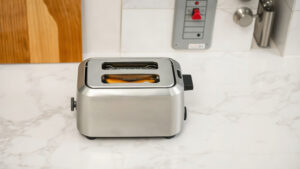
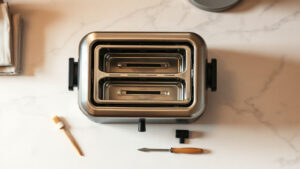
For reheating soup, a microwave wins on speed and convenience — it’ll heat a bowl of soup in 2–3 minutes versus 10–15 in a toaster oven. But if texture and flavor matter to you (think cream-based soups or anything with a crust of bread on top), a toaster oven at 325°F delivers noticeably better results. For most people, most of the time, the microwave is the right call — but there are specific situations where you’d regret not using the toaster oven.
Safety First: Never put metal bowls, aluminum foil, or anything with metallic trim in a microwave — it can arc and start a fire. And when using a toaster oven for soup, only use oven-safe ceramic or glass bowls rated for oven use; thin glass or plastic containers can crack or melt at toaster oven temperatures. Always use oven mitts — the interior walls and racks of a toaster oven get scorching hot, even on low settings.
Quick Facts: Toaster Oven vs. Microwave for Soup
- A microwave reheats soup in roughly 2–3 minutes; a toaster oven typically takes 10–15 minutes at 325°F–350°F.
- Microwaves heat unevenly — you’ll often get hot spots and cold pockets if you don’t stir halfway through.
- Toaster ovens use radiant heat that warms soup more gently and evenly, especially thick soups and chowders.
- A microwave uses roughly 700–1,200 watts for a few minutes; a toaster oven uses 1,200–1,800 watts for a longer period — so for soup, the microwave is more energy-efficient.
- The toaster oven becomes the better choice when you’re reheating soup in an oven-safe bread bowl, or alongside something that benefits from dry heat (like a grilled cheese on the side).
Speed and Convenience: It’s Not Even Close
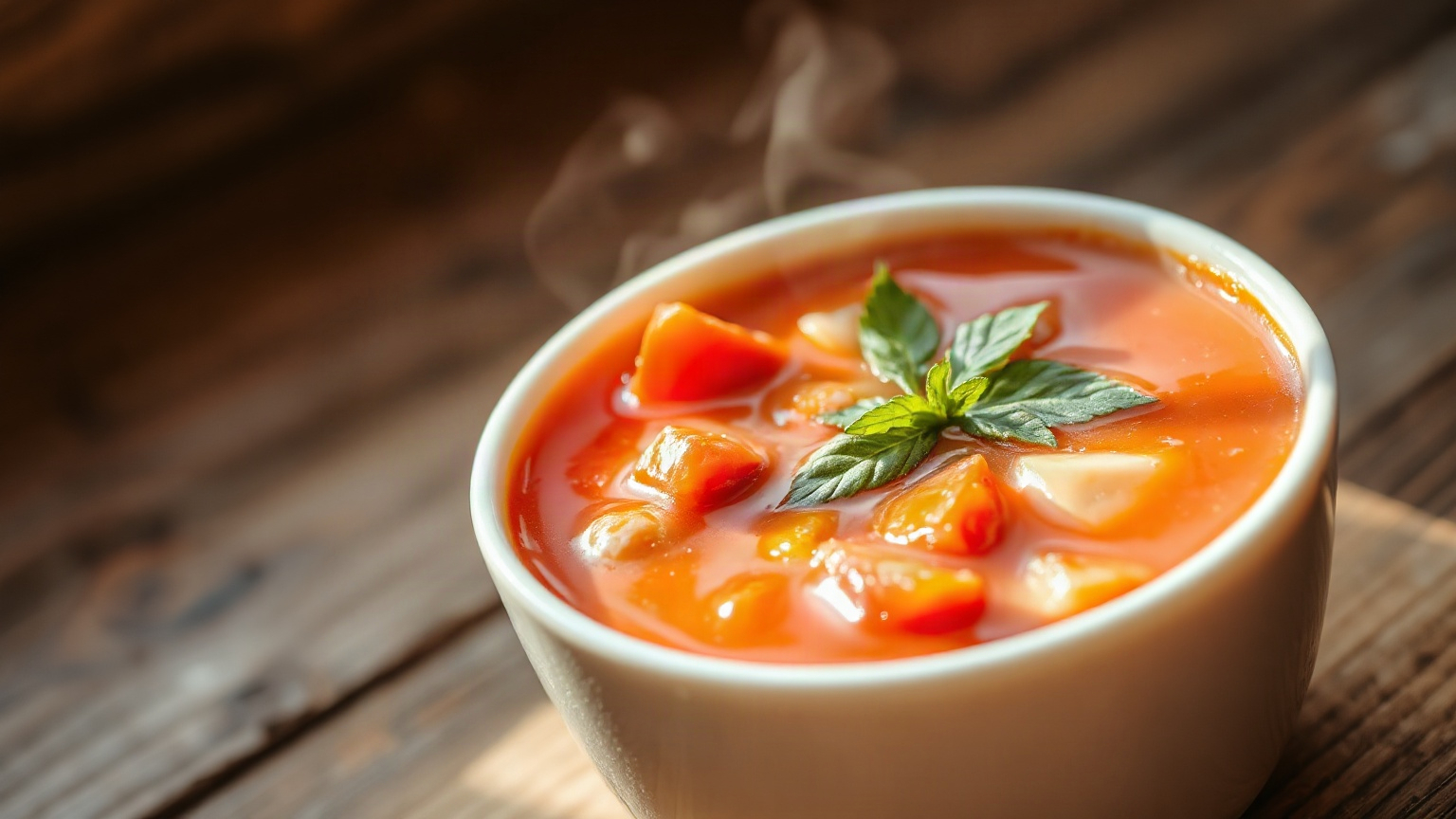
The microwave is faster. Full stop. I’ve timed this repeatedly in my own kitchen — a standard 12-oz bowl of refrigerator-cold tomato soup goes from fridge temperature (around 38°F) to steaming hot (around 165°F) in about 2.5 minutes on high in my 1,100-watt microwave. The toaster oven took just over 12 minutes at 325°F to hit the same temperature in a ceramic bowl.
That’s a big gap. On a Tuesday morning when you’re trying to eat lunch before a 12:30 meeting, 12 minutes feels like forever. The toaster oven also needs a few minutes of preheat time before you even put the bowl in, which the numbers above don’t fully account for. So realistically, you’re looking at 15+ minutes total.
If speed is your main concern, use the microwave. It’s not a close contest.
Taste and Texture: Where Things Get Interesting
Here’s where I’ll push back on the obvious answer a little. Microwaves heat by exciting water molecules, which is efficient — but it’s also why microwave-reheated soup can taste slightly flat, especially cream-based soups or anything with a starch component (potato, corn chowder, French onion). That aggressive uneven heating can break an emulsion or create a gummy texture in soups thickened with flour or cream.
The toaster oven uses radiant heat from heating elements, which warms the soup slowly from the outside in. It’s gentler. My clam chowder test was genuinely surprising — the toaster oven version at 325°F, stirred once at the 7-minute mark, came out smoother and tasted richer than the microwave version, which had a slightly gluey quality around the potato chunks. I wasn’t expecting to care that much. But I did.
Broth-Based Soups
For simple broth-based soups — chicken noodle, miso, ramen broth — the microwave is perfectly fine. These soups don’t have delicate emulsions to protect or complex textures to preserve. Two and a half minutes, stir once, done. You won’t taste the difference.
Cream and Chowder-Style Soups
For cream soups, bisques, and chowders, the toaster oven is actually worth the extra time. Set it to 325°F in a ceramic oven-safe bowl, stir once halfway through, and the result is noticeably better. No broken cream, no rubbery potato. You can read more about the mechanics of reheating food in a toaster oven if you want to understand what’s happening with the heat.
The Bread Bowl Edge Case (Nobody Else Mentions This)
If you have soup in a bread bowl — or you want to reheat soup and a crusty roll at the same time — the toaster oven wins by default. You simply cannot microwave a bread bowl without turning it into a chewy, rubbery mess. A toaster oven at 300°F for 10–12 minutes keeps the bread crisp on the outside and warms the soup through. This is the one situation where the toaster oven isn’t just “slightly better” — it’s the only reasonable option.
Energy Use: A Realistic Comparison
I see a lot of vague claims online about which appliance uses less energy. Here are actual numbers.
| Appliance | Wattage Range | Time to Reheat Soup | Estimated Energy Used |
|---|---|---|---|
| Microwave (mid-range) | 700–1,200W | ~2.5 minutes | ~0.04–0.05 kWh |
| Toaster Oven (standard) | 1,200–1,800W | ~12–15 minutes (incl. preheat) | ~0.25–0.45 kWh |
The microwave uses roughly 5–10x less electricity to reheat a bowl of soup. Not a rounding error — a real, meaningful difference. Over time, if you’re reheating soup every day, that adds up. The toaster oven’s energy draw over 12–15 minutes at 1,500 watts is roughly the same as running your microwave for 20+ minutes. For soup specifically, the microwave is the more efficient machine.
Cleanup and Practical Annoyances
This doesn’t get enough attention. Soup splatters. In a microwave, soup splatters on the ceiling of the cavity and it’s annoying but it wipes off easily. My personal fix: I always use a microwave-safe cover or just a paper plate on top of the bowl. Problem mostly solved.
In a toaster oven, if soup boils over — and at 350°F it can, especially if the bowl is too full — you’ve got a mess on the crumb tray and the heating elements. Cleaning soup residue off a toaster oven’s interior is genuinely unpleasant. I learned this the hard way with a French onion soup that bubbled over onto the lower element. The smell lasted two days. Keep the bowl at most 3/4 full if you’re using the toaster oven.
Also: you’ll need an oven-safe bowl. Not every bowl you own qualifies. Check the bottom for the oven-safe symbol before you put it in there. A good oven-safe ceramic soup bowl makes this whole process much less stressful.
Which Appliance Should You Actually Use?
Here’s my honest take after testing this more than I’d like to admit.
Use the microwave for: broth-based soups, any time you’re in a hurry, frozen soups that need full-power heat to get moving, and everyday leftovers. It’s faster, it uses less energy, and the results are perfectly acceptable for most soups. Serious Eats makes a good point that stirring halfway through is the real key to even microwave heating — and they’re right. Stir at the 90-second mark and you’ll mostly avoid cold spots.
Use the toaster oven for: cream soups and chowders where texture matters, bread bowls, when you’re already using the toaster oven for something else (like toasting bread for the side), or when you want to add a little melted cheese on top — because a toaster oven can do that in the last 2 minutes and a microwave just makes cheese rubbery. For those situations, check out the best mini toaster ovens if you’re shopping for one that handles this kind of task well.
If I had to pick only one appliance for reheating soup forever: the microwave. It handles 90% of soup-reheating situations faster and more efficiently. But I use the toaster oven more than I expected once I started paying attention to texture.
For toaster oven settings specifically: 325°F is my go-to for soup. Not 350°F, not 375°F. 325°F keeps things from boiling too hard and protects cream-based soups. And use the right bowl for the job — it genuinely matters.
The Honest Verdict
The microwave is better for reheating soup in the vast majority of cases. It’s faster, cheaper to run, and the results are good enough for most soups. The toaster oven earns its place for cream soups, bread bowls, and cheesy soup toppings — situations where “good enough” isn’t actually good enough. Know which soup you’re heating, and you’ll always make the right call. And if you want to get more out of your toaster oven beyond soup, this guide on reheating food in a toaster oven covers a lot more ground.
Frequently Asked Questions
Can you reheat soup in a toaster oven?
Yes, you can reheat soup in a toaster oven using an oven-safe ceramic or glass bowl. Set the temperature to 325°F and heat for 10–15 minutes, stirring once halfway through. Don’t fill the bowl more than 3/4 full, as soup can boil over onto the heating elements.
Is reheating soup in a microwave safe?
Reheating soup in a microwave is safe as long as you use a microwave-safe bowl and heat the soup to at least 165°F throughout. Stir the soup at the halfway point to avoid hot spots and cold pockets, which can leave bacteria-friendly cool zones in thicker soups. Never use metal containers or bowls with metallic trim.
Does a toaster oven reheat soup better than a microwave?
A toaster oven reheats cream-based soups and chowders better than a microwave because it uses gentler radiant heat that doesn’t break emulsions or create gummy textures. For simple broth-based soups, the microwave is just as good and much faster. The toaster oven’s advantage is most noticeable with thick, dairy-based soups.
How long does it take to reheat soup in a toaster oven?
It takes roughly 10–15 minutes to reheat refrigerator-cold soup in a toaster oven at 325°F, plus a few minutes of preheat time. Frozen soup will take significantly longer — 20–30 minutes — and is generally better started in a microwave or on the stovetop. Always stir once midway through to promote even heating.
What temperature should a toaster oven be set to for reheating soup?
325°F is the best temperature for reheating soup in a toaster oven. This is hot enough to bring refrigerator-cold soup up to a safe serving temperature without causing it to boil over or scorching the edges. Higher temperatures like 375°F can cause cream soups to separate and increase the chance of a messy boilover.

Written by
Emma founded Toastera to turn vague appliance advice into clear, researched, safety-first guidance on toasters and toaster ovens.
Free: the Toaster Oven Cheat Sheet
Get the printable cheat sheet (temps, cook times & safety tips) plus new recipes. No spam, unsubscribe anytime.