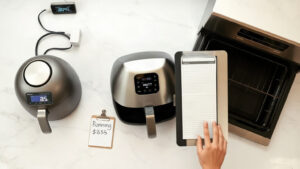
A toaster gets frozen waffles crispier, faster — its heating elements reach 300–400°F and press radiant heat directly against the waffle’s surface in about 2–3 minutes. A toaster oven can hit similar temperatures but takes longer to preheat and circulates heat more gently, which tends to produce a softer result unless you use the broil or toast setting. For most weekday mornings, the plain pop-up toaster wins on speed and crunch; the toaster oven earns its place when you’re making a bigger batch or want more control over browning.
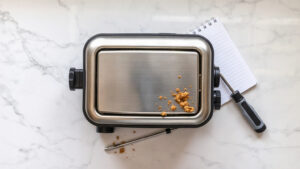
Safety First: Both toasters and toaster ovens involve exposed heating elements that can cause serious burns. Never leave either appliance unattended with frozen waffles inside — ice crystals from frozen food can cause unexpected splattering or uneven heating. Keep the toaster upright and never insert a waffle that’s too large to sit below the slot rim, as this can trap the waffle against the element and start a fire. Unplug both appliances before cleaning out any crumb trays.
Quick Facts: Toaster vs Toaster Oven for Frozen Waffles
- A pop-up toaster takes roughly 2–3 minutes per batch; a toaster oven takes 8–12 minutes once preheated.
- Toasters apply direct radiant heat from both sides simultaneously, which is what makes waffles crispier faster.
- Toaster ovens can handle 4–6 waffles at once; most pop-up toasters max out at 2.
- Setting matters a lot: on a toaster oven, the “Toast” or “Broil” setting outperforms “Bake” for crunch.
- Neither method requires thawing first — going straight from freezer to appliance is correct.
How Each Appliance Actually Heats a Frozen Waffle
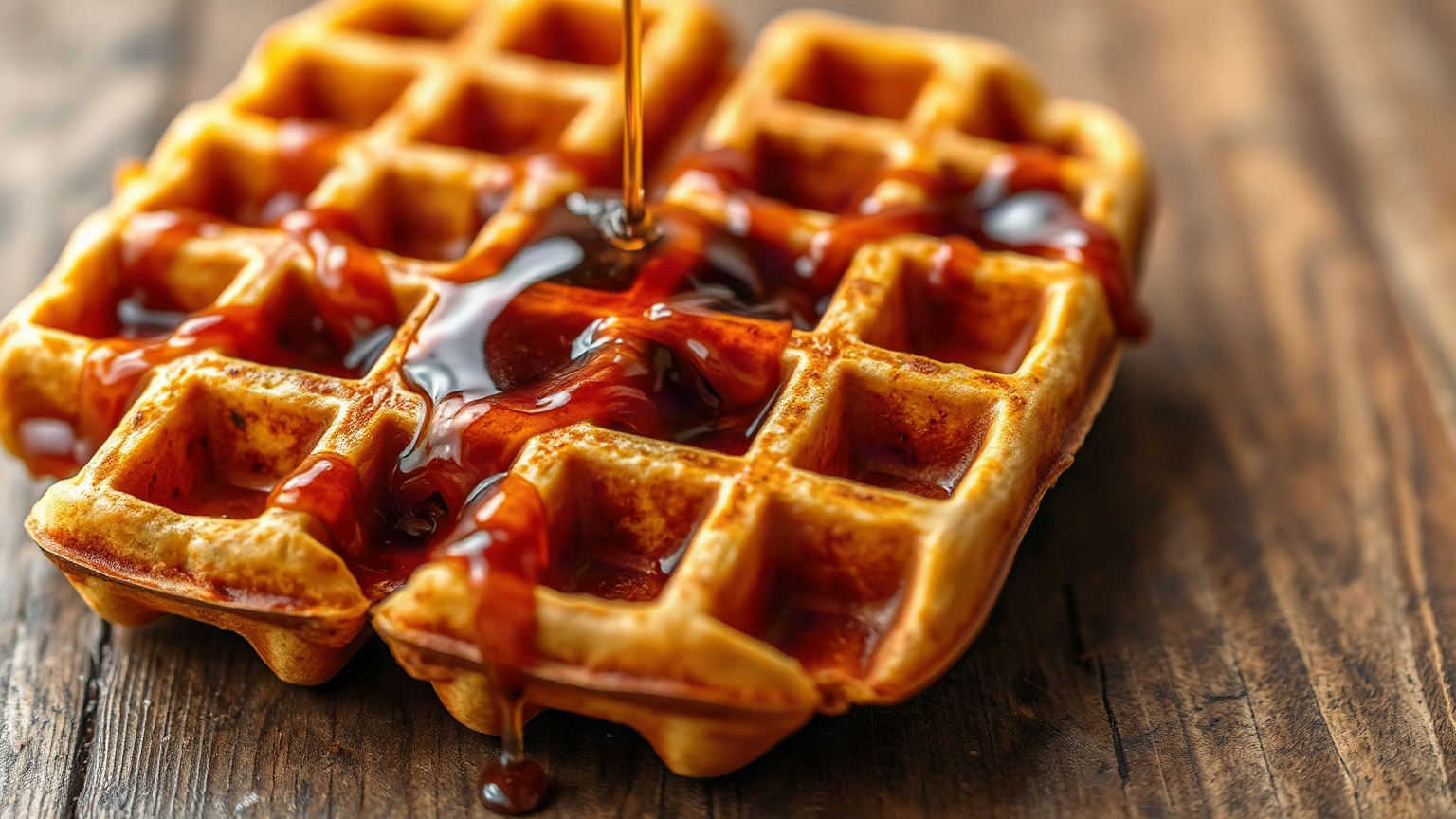
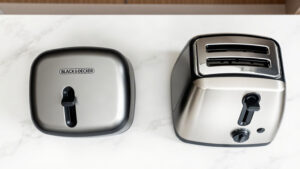
This is the part most articles skip, and it explains everything. A pop-up toaster uses nichrome wire heating elements that glow hot — really hot — on both sides of the waffle simultaneously. That direct radiant contact is basically pressing heat into every pocket and ridge on the waffle’s surface at once. No air circulation needed. No preheating. It’s a surprisingly efficient little machine for this one specific job.
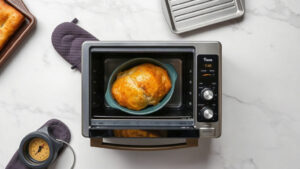
A toaster oven works differently. Its elements heat the air inside the chamber, which then transfers heat to the waffle. Even on the toast setting, there’s more ambient heat and less direct contact. The result? You get even coloring, sure, but often with a slightly chewier interior and a crust that’s more “warmed” than “crisped.” You can read more about how hot a toaster gets if you want the full breakdown on element temperatures — it’s genuinely interesting.
One thing I got wrong the first time: I assumed more temperature meant better results, so I cranked my toaster oven to 450°F on bake. The edges of the Eggo waffles dried out while the center stayed soft. Dropping to 375°F on the toast setting fixed it almost immediately.
My Actual Test Results (Toaster vs Toaster Oven, Same Waffles)
I ran through a box of Eggo Homestyle waffles — the standard benchmark, basically — using a 2-slice pop-up toaster set to medium-high and a mid-range toaster oven on the toast setting at 375°F. Same waffles, same starting temperature (frozen solid), same morning.
Toaster Results
Two minutes and forty seconds, give or take. The waffles came out with deep golden color on both sides, crispy on the exterior grid pattern, and still slightly soft in the thick center sections — which honestly is perfect. You want that contrast. The edges were almost chip-crispy. My only complaint is that one waffle browned slightly unevenly, which I chalk up to the toaster being a bit older and one element running hotter than the other.
Toaster Oven Results
Preheating alone took about four minutes. The actual toasting took another seven to eight minutes on the toast setting. The waffles came out evenly colored — more uniform than the toaster, actually — but noticeably less crispy on the ridges. The exterior had a kind of matte finish rather than that shiny, crackly crunch. Good. Just not as good. When I flipped them halfway through (which the toaster obviously doesn’t require), the bottom crisped up noticeably more. So: flipping helps.
Bottom line from that test: toaster wins on crispiness and speed. Toaster oven wins on evenness and batch size. Both are totally acceptable breakfasts — I’m not being diplomatic, I just ate all of them.
Comparison Table: Toaster vs Toaster Oven for Frozen Waffles
| Factor | Pop-Up Toaster | Toaster Oven |
|---|---|---|
| Preheat Time | None | 3–5 minutes |
| Cook Time (frozen waffle) | 2–3 minutes | 7–10 minutes |
| Crispiness | High (direct radiant heat) | Medium (ambient heat) |
| Batch Size | 1–2 waffles max | 4–6 waffles easily |
| Temperature Control | Dial only (rough) | Precise °F settings |
| Evenness of Browning | Good, slightly variable | Very even |
| Best Setting to Use | Medium-high | Toast or Broil at 375°F |
| Counter Space Needed | Small footprint | Larger footprint |
When the Toaster Oven Is Actually the Better Call
Look, I’m clearly partial to the pop-up toaster for waffles, but there are real situations where the toaster oven makes more sense.
Cooking for More Than Two People
If you’re feeding a table of four on a Saturday morning, cycling two waffles at a time through a toaster means the first batch is cold by the time everyone’s sitting down. A toaster oven on a toaster oven wire rack can handle four to six waffles in a single pass. That matters more than crispiness when you’re feeding actual children who are already complaining.
Thicker, Specialty Waffles
Belgian-style frozen waffles — the thick ones — can be too wide for some toaster slots. Forcing them in is both annoying and a minor fire risk. The toaster oven has no such problem. You lay them flat on the rack, set to 375°F toast, flip once, done. Works beautifully for those Kashi or Van’s thicker varieties too.
You Want to Add Toppings Before Cooking
This is the edge case most comparisons miss entirely. If you want to add a thin layer of cream cheese, nut butter, or even a sprinkle of cinnamon sugar before the final heat, a toaster oven lets you do that. You obviously can’t put a waffle slathered in anything into a pop-up toaster slot. The toaster oven becomes more of a mini oven for waffles at that point, and for check out this guide on reheating food in a toaster oven to see how that approach applies to other foods too.
Specific Models Worth Considering
Since you may be deciding which appliance to actually buy for this, here’s my honest take on a few real options.
For a pop-up toaster, the Cuisinart CPT-180 is a solid mid-range pick with extra-wide slots that handle thicker waffles without drama. The browning is even and the controls are actually intuitive. Budget end: the Hamilton Beach 22708 gets the job done for about the cost of two boxes of Eggos, though the browning can be slightly uneven.
For toaster ovens: the Breville Smart Oven Air Fryer Pro is premium-tier, and yes it makes exceptional waffles because the convection setting moves hot air fast enough to actually crisp the exterior. Pricey, but it’s a seriously capable machine. The Cuisinart TOA-70 is a mid-range air fryer toaster oven that does nearly as well at a lower cost. The Cuisinart TOA-70 is probably the one I’d recommend most people actually buy. For anyone who mostly makes waffles and toast and doesn’t need the extra functions, the Hamilton Beach 31123D is a compact, no-fuss toaster oven that performs well and won’t eat up your whole counter. You can also browse some of the best mini toaster ovens for smaller kitchen setups.
The Breville Smart Oven Air Fryer Pro is worth it if you cook a wide variety of things and want the toaster oven to genuinely replace your regular oven for small batches. But if waffles and toast are genuinely your main use case? Just get a good pop-up toaster. Spend the counter space on something else.
Tips for Getting the Crispiest Frozen Waffles Either Way
- Don’t thaw first. Straight from freezer gives better steam release and crispier results — Serious Eats has written about this effect with other frozen foods, and it applies here too.
- In a toaster oven, always use the wire rack rather than the baking pan — airflow underneath the waffle helps the bottom side crisp.
- In a pop-up toaster, running two cycles (pulling slightly early on the first pass, then a short second cycle) can get you an extra level of crispness without burning.
- If your toaster oven has a convection fan, use it. It’s a meaningful difference for waffles.
- Let waffles sit on a wire cooling rack for 60 seconds after cooking — steam trapped underneath will soften them faster than you’d expect.
The Bottom Line
For a single person or couple on a normal weekday morning, a pop-up toaster wins this matchup. It’s faster, it gets the exterior genuinely crispy, and it requires zero decision-making about settings. The toaster oven earns its place for larger batches, specialty thick waffles that won’t fit in slots, and situations where you want to customize what’s on the waffle before the final heat. If you already own both, use the toaster for waffles by default and pull out the toaster oven when you’re feeding a crowd or getting creative.
Neither is wrong. But they’re not the same, and knowing which to grab saves you a slightly disappointing breakfast. That’s really all this comes down to.
Frequently Asked Questions
How hot does a toaster get when toasting frozen waffles?
A pop-up toaster’s heating elements typically reach between 300°F and 400°F during operation, though the actual surface temperature of the waffle stays lower due to moisture content. The key advantage is direct radiant heat applied evenly to both sides simultaneously, which is what creates that crispy exterior. For a deeper look at element temperatures, check out this guide on how hot a toaster gets.
Can you cook frozen waffles in a toaster oven without thawing them first?
Yes — and you should. Cooking straight from frozen actually produces a better result because the rapid temperature change drives steam out quickly, helping the exterior crisp up. Thawing first leaves more surface moisture, which works against crispiness. Set your toaster oven to the toast setting at around 375°F and flip the waffles once halfway through.
What toaster oven setting is best for frozen waffles?
The toast or broil setting outperforms bake for frozen waffles — bake circulates lower ambient heat and tends to produce softer results. Toast at 375°F for 7–10 minutes, flipping once, gives the crispiest outcome in a toaster oven. If your model has a convection fan, switching it on helps a lot.
Is a toaster or toaster oven better for making waffles for a crowd?
A toaster oven is significantly better for groups. Most pop-up toasters handle only two waffles at a time, which means cycling through multiple rounds while early batches go cold. A toaster oven can fit four to six waffles on a single rack in one pass, making it the practical choice when you’re feeding more than two people.
Do toaster ovens make waffles as crispy as a regular toaster?
Generally, no — a standard toaster oven on the bake or heat setting produces softer waffles than a pop-up toaster. However, a toaster oven with a convection fan on the toast setting can come close, especially if you flip the waffles halfway through cooking. The pop-up toaster still has the edge for pure crunch, largely because of how directly its elements contact the waffle surface.

Written by
Emma founded Toastera to turn vague appliance advice into clear, researched, safety-first guidance on toasters and toaster ovens.
Free: the Toaster Oven Cheat Sheet
Get the printable cheat sheet (temps, cook times & safety tips) plus new recipes. No spam, unsubscribe anytime.