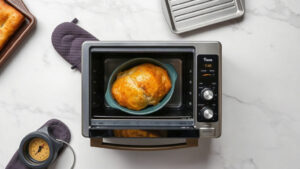
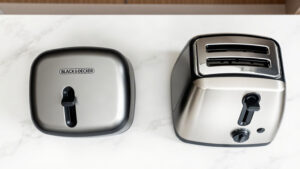
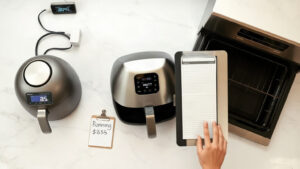
An air fryer and a toaster oven don’t cook identically, even though both use hot air. The core difference is fan speed and cooking chamber size: air fryers blast air at much higher velocity through a compact space, which produces crispier results faster. A toaster oven is more versatile but typically can’t match an air fryer’s crisping power unless it has a dedicated, high-CFM convection fan.
Safety First: Both air fryers and toaster oven appliances reach internal temperatures of 400°F or higher and have exterior surfaces that get dangerously hot during use. Always place either appliance on a heat-resistant surface at least 6 inches from walls or cabinets, never leave them unattended when cooking fatty foods (grease can smoke or ignite), and keep children away from the exterior casing while in operation.
Quick Facts: Air Fryer vs. Toaster Oven at a Glance
- Air fryers circulate air at roughly 2–3x the fan speed of a standard convection toaster oven, producing crispier exteriors in less time.
- Most countertop toaster ovens max out at 450–500°F; most basket-style air fryers cap at 400°F — so toaster ovens actually run hotter on paper.
- Toaster ovens handle full sheet-pan meals, broiling, and toast far better than air fryers. Air fryers win on speed and crunch for small batches.
- A toaster oven with an “air fry” mode is a real thing — but many of them underperform compared to a dedicated air fryer because the cooking chamber is too large for the fan to pressurize effectively.
- For most people cooking for one or two, a quality air fryer toaster oven combo (like the Breville Smart Oven Air Fryer) can do both jobs well enough. For a family, you might want both.
I’ve had both types sitting on my counter at the same time for the past two years. Ran them side by side more times than I can count — frozen fries, chicken thighs, reheated pizza, the works. Here’s what I actually found.
How Each Appliance Actually Generates Heat
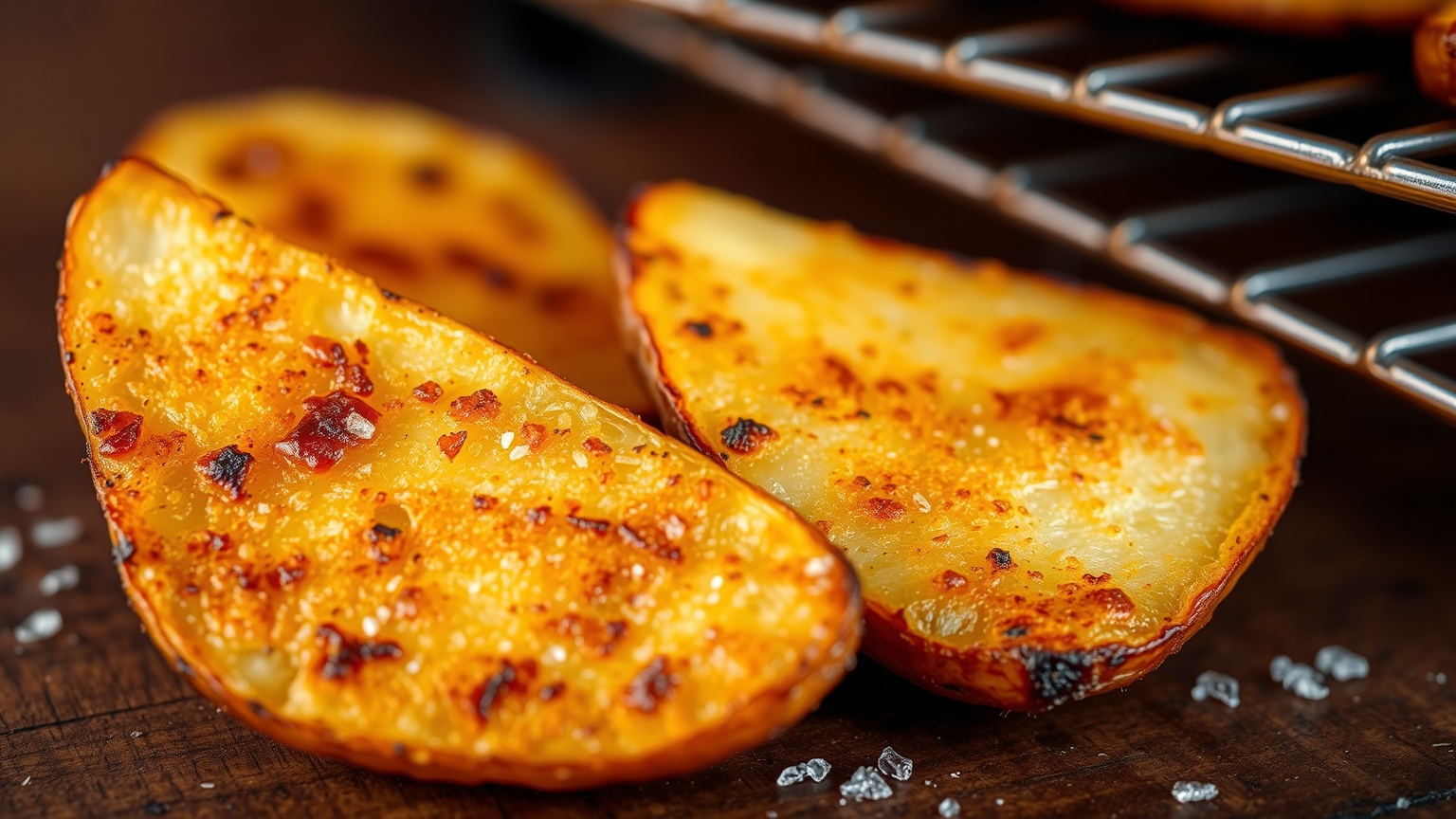
At a basic level, both use electric heating elements. But the way heat gets delivered to your food is where things diverge pretty dramatically.
The Toaster Oven Approach
A toaster oven uses quartz or nichrome heating elements — usually one on top, one on the bottom — to generate radiant heat. On bake mode, it mostly just radiates heat at your food. Add a convection fan and it starts moving that hot air around, which speeds up cooking and improves browning. The fan in a basic convection toaster oven is modest though. It’s enough to make a difference, but it’s not aggressive. You can learn more about how hot these heating elements get here, but toaster ovens typically hit anywhere from 150°F to 500°F depending on the model and setting.
The Air Fryer Approach
A basket-style air fryer is basically a small, very powerful convection oven with the fan cranked way up. The cooking chamber is tiny — usually 2–6 quarts — and a high-wattage fan sits at the top, forcing hot air down and around at high velocity. That rapid, pressurized airflow is what pulls moisture off the surface of food and gives you that fried-like crunch. The temperature cap is typically lower (most stop at 400°F), but the airflow more than compensates for that in terms of surface crisping.
The first time I tested frozen sweet potato fries side by side, I ran both at 400°F for 15 minutes. The air fryer fries were genuinely crispy. The toaster oven on convection? Fine, but they had soft patches underneath where they sat on the pan. I switched to a perforated air fry basket for toaster ovens after that, and it helped — but they still weren’t quite the same.
Side-by-Side: How the Numbers Actually Stack Up
Here’s a comparison of typical specs. These aren’t one specific model — they’re averages across common mid-range options in each category.
| Feature | Basket Air Fryer | Toaster Oven (Convection) | Toaster Oven (Air Fry Mode) |
|---|---|---|---|
| Max Temperature | 400°F | 450–500°F | 450°F |
| Typical Wattage | 1,400–1,800W | 1,200–1,800W | 1,500–1,800W |
| Fan Speed | High (varies, ~1,500–2,000 RPM) | Low-Medium | Medium-High |
| Cooking Chamber | 2–6 quarts | 0.5–1.5 cu ft | 0.5–1.5 cu ft |
| Preheat Time | 2–4 minutes | 5–10 minutes | 5–8 minutes |
| Crisping Performance | Excellent | Fair–Good | Good (model-dependent) |
| Toast Quality | Poor | Excellent | Excellent |
| Sheet Pan Cooking | Not possible | Yes | Yes |
| Price Range | $50–$250 | $60–$350 | $100–$400 |
The preheat difference is real and it matters on weeknights. My air fryer hits temp in under 3 minutes. My toaster oven takes closer to 7–8. Small thing, but when you’re reheating something after a long day, it adds up.
What Each One Actually Does Better
Air Fryer Wins: Crisping, Speed, Small Batches
Chicken wings. Frozen snacks. Reheating leftover fries so they’re actually edible again. This is air fryer territory. The combination of high-velocity airflow, a small chamber, and a perforated basket means hot air hits every surface of your food. You get results that genuinely mimic deep-frying in a way that a standard convection toaster oven just doesn’t. I’ve reheated pizza in both — the air fryer gets the bottom crust crispy in about 3–4 minutes at 370°F. The toaster oven takes 6–8 minutes and the crust is never quite as snappy.
Speed is also a consistent advantage. Smaller space to heat, faster preheat, faster cook time on most things. For reheating food, both can work fine — but the air fryer wins on texture almost every time.
Toaster Oven Wins: Versatility, Capacity, Toast
If you want to bake a small batch of cookies, toast a bagel, broil fish, or roast vegetables on a sheet pan for four people — that’s a toaster oven job. Full stop. Air fryers genuinely can’t toast bread (the fan blows light bread around or dries it out unevenly), and their capacity maxes out fast when you’re cooking for more than two people. I tried roasting a full tray of broccoli in my air fryer once and had to do three batches. Did it in one in the toaster oven.
Toaster ovens also handle delicate baking better — things like crescent rolls or casseroles where you need consistent, gentle heat rather than aggressive airflow messing with the surface of your food. If you’re looking at mini toaster oven options, there are some compact models that punch well above their size for baking.
The Edge Case Nobody Talks About: Humidity and Moisture Control
Here’s something the other comparisons tend to skip: the impact of moisture during cooking. Air fryers are extremely aggressive at pulling surface moisture off food — which is great for crisping, but genuinely terrible for anything that’s supposed to stay moist inside. I’ve overcooked chicken breast in my air fryer more than once because the outside dried out before the inside finished. A toaster oven on bake mode is gentler, and you can even add a small ramekin of water to create a bit of steam for bread or certain proteins. You can’t do that in a basket air fryer. If you’re cooking something like a stuffed pork tenderloin or a bread loaf — go toaster oven. Always.
Do Toaster Ovens With Air Fry Mode Actually Work?
This is the big marketing claim right now, and the honest answer is: sometimes. It depends almost entirely on the fan. Brands like Breville and Cuisinart have put real engineering into the air fry function on their toaster ovens, and they produce noticeably better results than models that slapped an “air fry” label on a standard convection setting with a slightly faster fan. Serious Eats has done thorough equipment testing on this category and found similar variance between models.
The fundamental limitation is physics. A toaster oven’s chamber is just larger than a basket air fryer’s. The fan has more volume to pressurize. Unless the manufacturer has specifically designed the airflow path (some use a rear fan with directed vents, some use a ceiling-mounted fan with a perforated tray below), you’re not going to get the same intensity of air circulation. I’ve found using a raised mesh wire rack in toaster oven air fry mode makes a real difference — getting food off the solid pan and into the airflow helps a lot.
My personal verdict: if you can only have one appliance and you’re choosing between a mid-range air fryer and a mid-range toaster oven with an air fry mode, get the toaster oven with air fry. The versatility trade-off is worth it. But don’t expect it to perfectly replicate a dedicated air fryer on crispy foods. It won’t.
Which One Should You Actually Buy?
Single person or couple, mostly snacks and reheating, limited counter space: get a compact basket air fryer. Cooking for a family, want one appliance that handles everything, don’t have room for two things on the counter: get a good toaster oven with air fry capability — something like the Breville Smart Oven Air Fryer or the Cuisinart TOA-60. Have plenty of counter space and you cook a variety of things: honestly, having both isn’t overkill. I have both and I reach for each of them several times a week for different tasks.
Budget matters too. You can get a perfectly competent basket air fryer for $60–$80. A toaster oven that does both jobs well is going to run you $150–$250 at minimum. Food Network has solid buying guides on countertop appliances if you want a broader overview of current models worth considering.
The Bottom Line
No, an air fryer and a toaster oven don’t cook the same way — even though they’re both electric, both use hot air, and both can technically do many of the same jobs. The airflow intensity is the variable that matters most. Air fryers are faster and crispier for small batches. Toaster ovens are more versatile, handle larger quantities, and are better for anything that needs gentle or even heat. If you’re testing both for the first time, try reheating leftover french fries in each at 375–400°F for 4 minutes. That single test will tell you everything you need to know about what you’re actually comparing.
Frequently Asked Questions
Does an air fryer cook faster than a toaster oven?
Yes, in most cases an air fryer cooks faster — typically 20–30% quicker on items like chicken pieces, frozen foods, and vegetables. The shorter preheat time (2–4 minutes vs. 5–10 minutes) and smaller cooking chamber both contribute to faster overall cook times. The speed advantage shrinks on larger items or full-tray cooking, where the toaster oven’s bigger capacity lets you do everything in one batch.
Can a toaster oven replace an air fryer?
A toaster oven with a strong dedicated air fry mode can get close, but it won’t fully replicate a basket air fryer’s crisping performance. The larger cooking chamber means less airflow intensity, so food surfaces don’t dry out and crisp as quickly. That said, for most everyday cooking tasks, a quality air fryer toaster oven combo is a very reasonable one-appliance solution.
What temperature do you use an air fryer vs. a toaster oven for the same food?
When converting a toaster oven recipe to an air fryer, reduce the temperature by about 25°F and start checking for doneness 20–25% earlier. So if a recipe says 400°F for 20 minutes in a toaster oven, try 375°F for 15 minutes in an air fryer and adjust from there. The higher airflow in an air fryer makes up for the lower temperature.
Is air frying in a toaster oven the same as using a standalone air fryer?
Not exactly. A toaster oven’s air fry mode produces similar results but usually can’t match the crunch intensity of a basket air fryer because the cooking chamber is larger and the airflow less concentrated. Performance varies significantly by model — some high-end toaster ovens with purpose-built air fry systems (like the Breville Smart Oven Air) come close, while budget models with a simple “air fry” label fall short. Using a perforated basket or elevated rack inside the toaster oven does improve the results noticeably.
Which uses more electricity, an air fryer or a toaster oven?
They’re actually similar in wattage — both typically draw 1,400–1,800 watts. But because an air fryer cooks faster, it generally uses less total electricity per meal. A 15-minute air fryer cook at 1,700W uses about 0.43 kWh; a 25-minute toaster oven cook at the same wattage uses about 0.71 kWh. Over time, the air fryer’s speed advantage translates into modest but real energy savings on the foods it handles quickly.

Written by
Emma founded Toastera to turn vague appliance advice into clear, researched, safety-first guidance on toasters and toaster ovens.
Free: the Toaster Oven Cheat Sheet
Get the printable cheat sheet (temps, cook times & safety tips) plus new recipes. No spam, unsubscribe anytime.