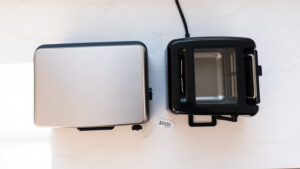
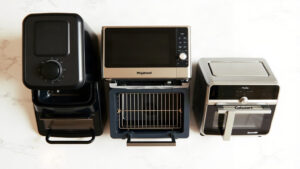
The microwave wins on raw speed — it reheats most leftovers in 1 to 3 minutes flat. But the toaster oven, running at 325–375°F, produces noticeably better texture and flavor on almost everything except soup. If you care about crispy edges and food that doesn’t turn rubbery, the extra 8 to 12 minutes in a toaster oven is usually worth it.
Safety First: Both appliances get extremely hot during and after use. Never place plastic containers, foil-wrapped food, or anything labeled “microwave only” in a toaster oven — it’s a fire risk. Always use oven-safe dishes in the toaster oven, keep at least 4 inches of clearance around it, and don’t leave either appliance unattended when reheating fatty or greasy foods.
Quick Facts: Toaster Oven vs Microwave for Reheating
- Microwaves reheat food in 1–3 minutes; toaster ovens typically take 8–15 minutes depending on food thickness
- Toaster ovens run at 325–425°F and restore crispiness; microwaves heat via moisture excitation, which softens crusts and breading
- For soups, sauces, and rice, the microwave is genuinely the better tool — not just the faster one
- A toaster oven uses roughly 1,200–1,800 watts; a microwave uses 600–1,200 watts, but the toaster oven’s longer run time can eat into any energy advantage
- The edge case most people miss: toaster ovens are better for reheating food in bulk (a half-pan of roasted vegetables, for instance) because microwaves heat unevenly at larger volumes
Speed Test: What Actually Happens Minute by Minute
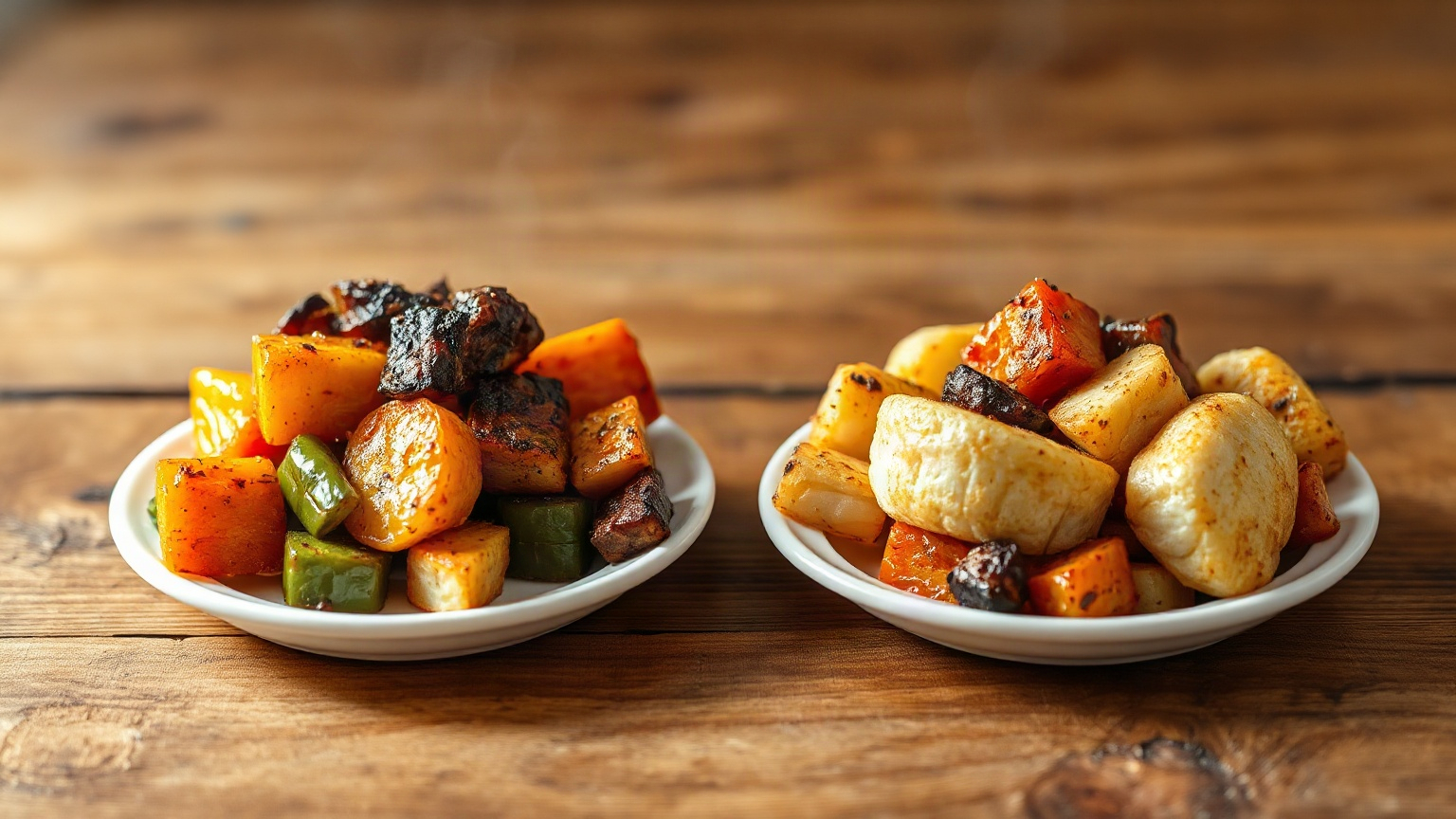
I ran my own informal test with a slice of day-old pepperoni pizza, a chicken thigh, and a cup of lentil soup — three things I actually had in my fridge on a Tuesday. Tracked time from cold-out-of-fridge to eating temperature (about 165°F internal for the protein).
The microwave handled the soup in under 90 seconds. Fast, fine, no complaints. The pizza took about 75 seconds but came out with that sad, floppy-crust situation I always forget to brace for. The chicken thigh hit temperature in around 2 minutes — but the skin was rubbery and the outside had that faint steamed smell.
The toaster oven took 10 minutes for the pizza at 375°F on a toaster oven wire rack (no pan — direct rack contact is the move for crust). The chicken thigh took about 12 minutes at 350°F. Skin crisped back up. Noticeably better. The soup I didn’t bother with in the toaster oven — you’d need an oven-safe bowl and honestly, just use the microwave for liquid.
So yes, the microwave is faster. Significantly faster. But speed isn’t the whole story.
Head-to-Head Comparison Table
| Factor | Microwave | Toaster Oven |
|---|---|---|
| Average reheat time (single portion) | 1–3 minutes | 8–15 minutes |
| Texture on breaded/crispy foods | Soft, sometimes soggy | Crispy, close to original |
| Best for liquids/soups | Yes | Not ideal |
| Best for pizza, fries, roasted meats | Passable | Much better |
| Preheat required | No | Yes (3–5 minutes) |
| Typical wattage | 600–1,200W | 1,200–1,800W |
| Heats food evenly | Often uneven, especially at edges | More consistent with convection |
| Countertop footprint | Moderate to large | Compact to moderate |
Food Quality: Where the Toaster Oven Pulls Ahead
This is the part that actually matters to me. Speed is great, but not if the food is worse for it.
Pizza and Flatbreads
Microwaved pizza is a compromise. The cheese remelts fine, but the crust turns chewy in a bad way — almost steamed. In a toaster oven at 375°F on a wire rack (not foil, not a pan), the crust crisps back up from the bottom and the cheese bubbles properly. Takes 8–10 minutes. Worth every second. You can read more about the specifics of reheating food in a toaster oven if you want the full breakdown by food type.
Chicken, Steak, and Roasted Meats
Microwaving chicken is fine if you’re in a rush and don’t mind dryness. The problem is uneven heating — you’ll often get scalding spots and cold spots in the same piece. The toaster oven at 325°F for 10–14 minutes (covered loosely with foil for the first half, then uncovered) reheats more evenly and keeps the meat from drying out. Steak is even more dramatic. A microwaved steak is just sad. Toaster oven, low and slow, is the right call.
Fries and Roasted Vegetables
Fries are the poster child for this whole debate. Microwaved fries go limp almost instantly. A toaster oven at 400°F for 5–7 minutes on a nonstick toaster oven baking pan brings them back to something resembling crispy. Not 100% like fresh — nothing is — but genuinely good. Roasted vegetables follow the same logic.
Soups, Rice, and Casseroles
Microwave wins here. No debate. Soup heats fast and evenly enough. Rice benefits from a splash of water and a damp paper towel over the bowl — 2 minutes and it’s done. Casseroles can go either way, but if you’re reheating a full dish, the toaster oven handles the volume better. A microwave struggles with anything over about 2 cups in terms of heating consistency.
The Edge Case Nobody Talks About: Reheating in Bulk
Here’s something the other articles on this topic skip over: what happens when you’re not reheating one portion, but leftovers for three or four people?
The microwave gets slow and messy fast. You’re doing multiple rounds. The hot spots get hotter, the cold spots stay cold. A large plate of food takes 4–6 minutes and often still needs stirring halfway through. And stirring roasted potatoes in a microwave is basically defeating the purpose.
A toaster oven — especially a mid-size or larger model — handles a half-sheet’s worth of leftovers in one go. Preheat to 350°F, spread things out, 12–15 minutes. Everything comes out hot and, in the case of roasted foods, actually crispy. The toaster oven’s “slower” reputation partly comes from single-portion comparisons that don’t account for batch reheating. Check out the best mini toaster ovens if counter space is tight — some of them hold more than you’d expect.
For families or meal preppers, this is a real practical advantage. I noticed it when I started reheating a full night’s worth of roasted broccoli and chicken all at once. The microwave just couldn’t do it well.
Energy Use: Does It Actually Matter?
Both appliances are relatively efficient compared to a full-size oven. A microwave running at 1,000W for 2 minutes uses about 0.033 kWh. A toaster oven at 1,500W for 12 minutes uses about 0.3 kWh. So the toaster oven uses roughly 10x more energy per reheating session in that comparison. Not enormous in absolute terms — a fraction of a penny to a few pennies difference — but it’s not nothing either.
If you’re reheating soup every morning, use the microwave. If you’re doing a big batch of leftovers twice a week, the toaster oven’s energy cost is trivial relative to the food quality improvement. The Food Network’s guide on reheating leftovers touches on this too — though they don’t get into the wattage specifics.
Which One Should You Actually Use?
My honest take: most kitchens should have both, and the right answer is just choosing the right tool per food type. But if I had to pick one for reheating leftovers specifically — and someone was going to take the other one away from me — I’d keep the toaster oven. The microwave is fast, but I eat a lot of things that go soggy in it. Pizza, roasted anything, breaded foods, leftover steak. The toaster oven handles all of it better.
The microwave is genuinely better for: soup, oatmeal, rice, steamed vegetables, anything liquid-based, and moments where you have literally two minutes and just need food in your body. No shame in that.
For a deeper look at temperature ranges and how the heating element works, the piece on how hot a toaster gets is useful context — the same principles apply to toaster ovens. And if you want a more scientific breakdown of food safety during reheating, Serious Eats has excellent coverage on reheating pizza specifically, including why the skillet method sometimes beats both.
The Bottom Line
The microwave is faster. That’s just true. It’s not close in terms of raw minutes. But “faster” doesn’t mean “better,” and for most solid leftovers — especially anything that was originally crispy, roasted, or baked — the toaster oven produces noticeably better results. The 10-minute wait for properly reheated pizza versus 90 seconds of sad, floppy pizza is a trade-off I’m personally willing to make almost every time. Your mileage may vary depending on how hungry you are.
Use the microwave for liquids and anything you need hot immediately. Use the toaster oven for everything else you actually care about tasting good. And if you’re reheating for a group, the toaster oven isn’t even that much slower once you account for multiple microwave rounds.
Frequently Asked Questions
Is a toaster oven faster than a microwave for reheating leftovers?
No — the microwave is significantly faster for single portions, typically reheating food in 1 to 3 minutes versus 8 to 15 minutes in a toaster oven. The toaster oven’s advantage is food quality, not speed. For bulk reheating of 3 or more portions at once, the gap narrows considerably.
Does a toaster oven make leftovers taste better than a microwave?
For most solid foods — pizza, roasted meats, fries, breaded items — yes, a toaster oven produces noticeably better texture because it uses dry radiant heat rather than moisture excitation. Microwaves reheat food by vibrating water molecules, which is great for soups but softens crusts and breading. If texture matters to you, the toaster oven is worth the extra time.
What temperature should I use in a toaster oven to reheat leftovers?
325°F to 375°F works well for most leftovers. Use 325°F for delicate proteins like fish or thin chicken pieces, 350°F for casseroles and mixed dishes, and 375–400°F for pizza, fries, or anything you want to crisp back up. Always aim for an internal temperature of 165°F for any leftover protein, per USDA food safety guidelines.
Does a toaster oven use more electricity than a microwave?
Yes, toaster ovens use more electricity per reheating session — roughly 0.3 kWh for a 12-minute cycle at 1,500W, compared to about 0.033 kWh for a 2-minute microwave cycle at 1,000W. In practical terms that’s a small difference in cost, a few cents at most, so it’s not a major factor for most households unless you’re reheating multiple times daily.
Can you reheat soup in a toaster oven?
Technically yes, if you use an oven-safe bowl or ramekin, but it’s not efficient or practical — soup takes much longer to heat through in a toaster oven and there’s a spill risk when handling a hot liquid-filled bowl in a small appliance. The microwave is genuinely the right tool for soups, sauces, and any liquid-based leftovers.

Written by
Emma founded Toastera to turn vague appliance advice into clear, researched, safety-first guidance on toasters and toaster ovens.
Free: the Toaster Oven Cheat Sheet
Get the printable cheat sheet (temps, cook times & safety tips) plus new recipes. No spam, unsubscribe anytime.