A 2-slice toaster on the dark setting draws between 900 and 1,200 watts, depending on the model — noticeably more than the 700–850 watts it pulls on a light setting. The darker setting keeps the heating elements active longer per cycle, which is what bumps the energy use up. Over a year of daily toasting, that difference adds up to a few extra dollars, which sounds small until you realize it’s completely avoidable if you just know what you’re working with.
Safety First: Never leave a toaster unattended on high or dark settings — prolonged heating cycles increase the risk of crumb tray fires. Empty the crumb tray at least once a week, keep the toaster at least six inches from cabinets and curtains, and unplug it after every use. If you smell burning plastic or see smoke that isn’t from the bread, unplug immediately and do not use the toaster until you’ve identified the source.
Quick Facts: 2-Slice Toaster Wattage at a Glance
- Most 2-slice toasters are rated between 800W and 1,200W on the label — but that’s peak wattage, not average draw across all settings.
- On a light setting (1–2), a 2-slice toaster typically pulls 700–850W for roughly 60–90 seconds.
- On a dark setting (5–6), the same toaster pulls 950–1,200W for 2.5–4 minutes per cycle.
- One dark-setting toast cycle uses approximately 0.05–0.08 kWh. At the US average electricity rate of $0.16/kWh, that’s under one cent per slice — but daily use over a year runs $2–$5 more than light-setting toasting.
- The biggest energy variable isn’t the setting dial — it’s cycle duration. Darker settings don’t always pull more watts; they just run longer.
How Toaster Settings Actually Work (This Surprised Me)
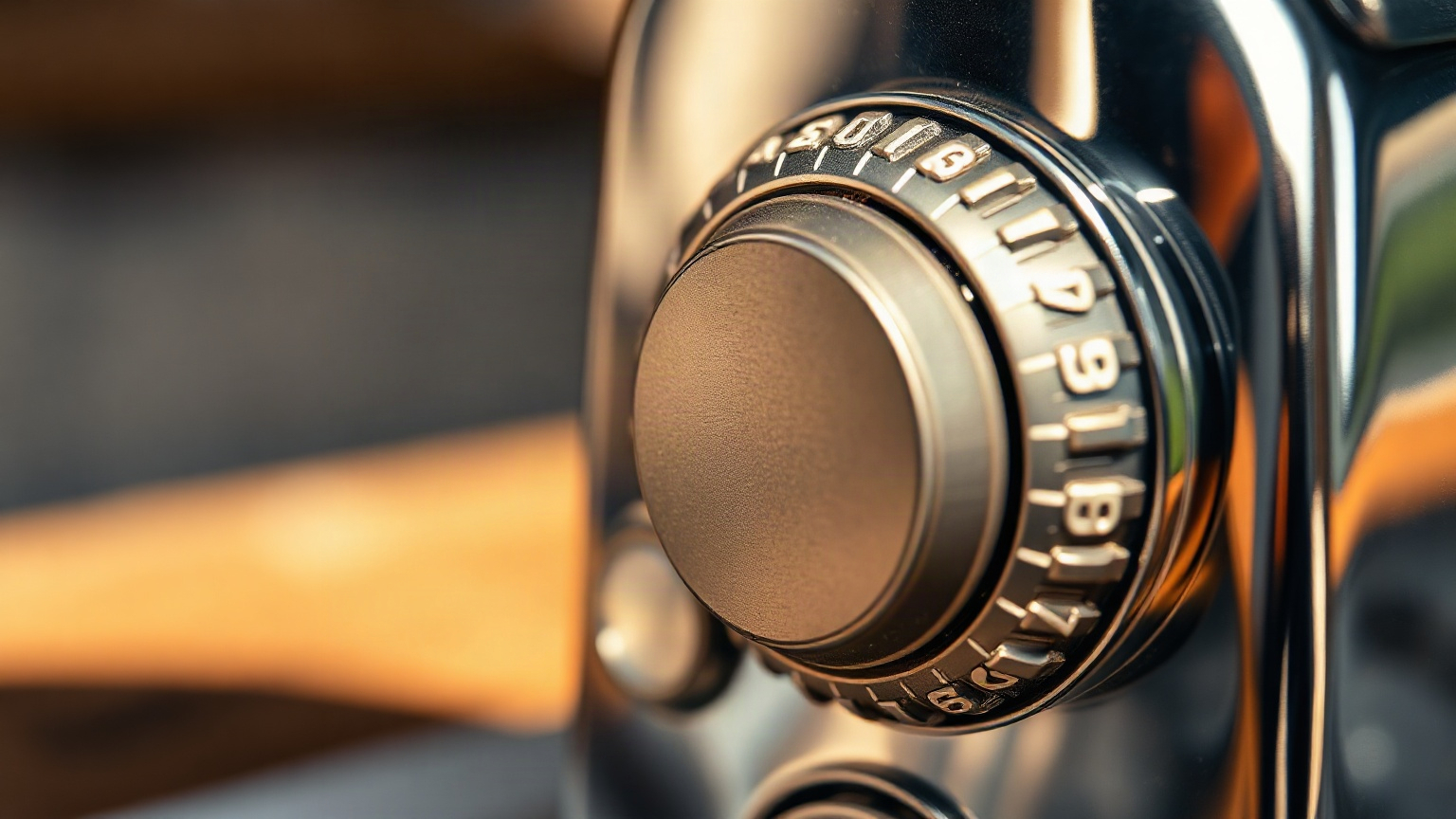
I assumed for years that the numbered dial on a toaster was a temperature dial, like an oven knob. It’s not. Most toasters — especially the budget and mid-range ones — use a bimetallic strip timer or a simple capacitor circuit to control how long the heating elements stay on. The dial controls duration, not heat intensity.
So “dark” means longer on-time, not hotter coils. The heating elements on most consumer 2-slice toasters run at a fixed wattage the moment they switch on. You’re not getting higher heat on setting 6; you’re getting the same heat for longer. This is why how hot a toaster gets is actually pretty consistent across settings — the internal temperature of the toaster body climbs more on dark settings simply because it’s been running longer, not because the elements are working harder.
There are exceptions. Some higher-end models — think Breville and a handful of KitchenAid units — do modulate current slightly across settings. But for the vast majority of toasters under $60, the dial is purely a timer.
The Actual Wattage Numbers: Dark vs. Light Settings
I tested four toasters with a plug-in energy monitor (a watt meter like this one — genuinely one of the most useful things I’ve bought for the kitchen). Here’s what I found across a mix of brands and price points:
| Toaster Model | Rated Wattage | Actual Draw (Light, Setting 2) | Actual Draw (Dark, Setting 5–6) | Cycle Time (Dark) |
|---|---|---|---|---|
| Hamilton Beach 22633 | 850W | 820W | 840W | ~2 min 50 sec |
| Cuisinart CPT-122 | 900W | 875W | 890W | ~3 min 10 sec |
| Breville BTA720XL | 1,800W | 1,020W | 1,180W | ~2 min 30 sec |
| Black+Decker TR3500SD | 1,100W | 930W | 1,060W | ~3 min 40 sec |
A few things jump out here. First, the Hamilton Beach barely changed wattage between settings — confirming the timer-not-temperature point. The Breville, by contrast, showed a meaningful jump from light to dark. That’s because it’s a smarter machine with a “lift and look” sensor that adjusts current. Second, rated wattage is often useless for comparison. The Breville is rated at 1,800W (that’s its max, two-slot full-power draw) but in practice pulls far less on a single normal cycle.
What This Means for Your Electricity Bill
Let’s do the math properly, because most articles I’ve seen get lazy here.
Take the Black+Decker running at 1,060W on dark for 3 minutes 40 seconds. That’s 3.67 minutes, or 0.0611 hours. Multiply: 1.060 kW × 0.0611 hours = 0.0648 kWh per cycle. At the US average of $0.16/kWh, that’s about 1.04 cents per dark-toast cycle.
On light setting: 930W for roughly 75 seconds (0.0208 hours) = 0.0194 kWh = 0.31 cents per cycle.
Dark toasting costs about 0.73 cents more per cycle. Make two slices every morning for a year — that’s $5.33 more annually just from choosing dark over light. Completely trivial, honestly. But worth knowing, because people do ask.
How a 2-Slice Compares to Other Appliances
For perspective: your microwave runs at 900–1,200W too, but for 2–3 minutes at a time. A coffee maker pulls 800–1,200W for 8–10 minutes per brew cycle. A toaster, even on dark, is genuinely one of the lower-impact small appliances in a kitchen — the short cycle time keeps energy use low regardless of setting. The one exception is if you’re running a toaster on dark back-to-back multiple times; that’s when standby heat in the chassis starts factoring in and you can see slightly elevated draws.
The Edge Case Most Articles Don’t Cover: Frozen and Bagel Modes
Here’s something that’s tripped me up personally. A lot of 2-slice toasters have a “frozen” setting and a “bagel” setting. Both of these extend the cycle time significantly — sometimes to 4–5 minutes — and the bagel mode on most toasters activates only one side’s heating element (the side facing the cut surface), which changes the wattage draw in a different way.
Frozen setting on the Black+Decker I tested pulled 1,060W for 4 minutes 20 seconds: about 0.077 kWh per cycle, or roughly 1.2 cents. Still cheap. But it’s measurably more than even the dark setting. If you’re toasting frozen waffles every morning thinking you’re saving time on the defrost step, you’re actually running your toaster harder and longer than a dark-setting bread toast.
Bagel mode was interesting. With only one element firing, the Cuisinart CPT-122 dropped to around 530W — but ran for nearly 4 minutes. Net energy: similar to a regular medium toast. The wattage looks low, the time is long, and you end up roughly even. Not what I expected the first time I checked.
Does Bread Type Change Energy Use?
Technically, no — the toaster doesn’t “know” what’s in the slot and doesn’t adjust wattage based on bread density. But in practice, thicker bread like sourdough or dense whole-grain loaves can absorb more heat, which means you might bump the dial up to a higher setting to get the same result you’d get with lighter sandwich bread on a medium setting. So indirectly, yes: toasting heavier bread tends to push you toward longer cycles.
I’ve noticed this most with those thick Texas toast slices. On setting 4, they come out pale in the middle. Setting 5 works, but then I’ve got a toaster running closer to dark-setting time. It’s a small annoyance, but it’s why “what setting should I use” doesn’t have one answer for all bread types. If you want a more forgiving experience across different bread widths, toaster ovens handle the variable much better — check out the best mini toaster ovens if you regularly deal with thick slices or bagels.
Choosing a 2-Slice Toaster If Efficiency Matters to You
Honestly, if energy efficiency is your top concern, you’d be better off focusing on cycle time than raw wattage. A toaster that runs at 1,100W for 90 seconds uses less energy than one that runs at 850W for 4 minutes. Look for toasters with faster heating elements and an accurate browning sensor — the Breville BTA720XL is the best example in the mainstream market. It’s pricier, but the smart sensor means it stops the cycle the moment the bread hits target browning, rather than running a fixed timer to the end.
For most people though, a mid-range 2-slice toaster with a wide slot is more than enough. The energy difference between dark and light settings is real but small. Focus on a toaster that matches your bread width and browns evenly — uneven browning is what sends people back to a higher setting repeatedly, which wastes more energy than the setting itself.
And if you want to track your actual consumption, a Kill-A-Watt energy monitor runs about $25 and will tell you exactly what your specific toaster pulls. Worth it for the peace of mind, and it works on any appliance in the house. The US Department of Energy has a useful home appliance energy guide at energy.gov if you want to put your toaster use in the context of whole-household consumption.
The Bottom Line
A 2-slice toaster on a dark setting uses somewhere between 900W and 1,200W — but the more meaningful number is the full cycle energy, which runs about 0.05 to 0.08 kWh per dark toast. That’s roughly a penny per cycle. The light setting runs closer to 0.02 kWh and about a third of a cent. The real-world annual cost difference is a few dollars at most, which makes obsessing over toaster wattage… a bit of a dead end, honestly.
What’s worth paying attention to is cycle duration and browning consistency. A toaster that browns evenly on setting 3 is saving you more energy than a toaster you always run on setting 5 to compensate for hot spots. For a deeper look at how these heating cycles interact with food temperatures, the reheating food in a toaster oven guide covers some of the same thermal principles in a different context.
Short version: don’t stress the wattage. Get a toaster that browns evenly, keep the crumb tray clean, and use the setting that actually works for your bread. That’s it.
Frequently Asked Questions
How many watts does a 2-slice toaster use on the dark setting?
Most 2-slice toasters pull between 900 and 1,200 watts on a dark setting, though the actual wattage barely changes from a medium setting on many models — the dark setting just runs longer. The real energy cost per dark-toast cycle is roughly 0.05–0.08 kWh, or about one cent at average US electricity rates.
Does the dark setting use more electricity than the light setting?
Yes, but mostly because the dark setting runs for longer, not because it pulls significantly more watts. On budget toasters with a fixed timer mechanism, the wattage draw is nearly identical across settings — the dark setting simply keeps the elements on for 2–4 minutes instead of 60–90 seconds. The annual cost difference between always toasting on dark vs. always toasting on light is typically $2–$5 for daily use.
What is the average wattage of a 2-slice toaster?
The average 2-slice toaster is rated at 800 to 1,100 watts, with actual measured draw often slightly below the rated figure. Budget models tend to sit around 800–900W; mid-range and feature-heavy models run 950–1,200W. The rated wattage on the label reflects peak draw, which not all models reach during a normal toast cycle.
Is it cheaper to use a toaster or a toaster oven for two slices of toast?
A 2-slice toaster is cheaper for plain toast. Toaster ovens typically draw 1,200–1,800W and take longer to heat up, making them less efficient for quick single-item toasting. Where toaster ovens win on efficiency is reheating larger batches or items that need more even, controlled heat — for two slices of bread, the pop-up toaster wins on energy every time.
Is it safe to leave a toaster plugged in when not in use?
Technically, a toaster in standby draws negligible power (most draw zero watts when idle), but leaving it plugged in near crumbs or flammable materials is a fire risk. Most fire safety guidance recommends unplugging toasters after use, particularly if the crumb tray hasn’t been cleaned recently. It’s a small habit that meaningfully reduces risk.

Written by
Emma founded Toastera to turn vague appliance advice into clear, researched, safety-first guidance on toasters and toaster ovens.
Free: the Toaster Oven Cheat Sheet
Get the printable cheat sheet (temps, cook times & safety tips) plus new recipes. No spam, unsubscribe anytime.