To reheat fried chicken in an air fryer without losing the crunch, set your air fryer to 375°F and cook for 8–10 minutes, flipping once at the halfway mark. The circulating hot air re-crisps the coating the same way it got crunchy the first time, without steaming it soggy the way a microwave does. Leftovers straight from the fridge will need closer to 10 minutes; room-temperature pieces are usually done in 7–8.
Safety First: Air fryer baskets and the chicken itself get extremely hot — we’re talking surfaces above 375°F. Always use tongs or silicone-tipped tools to flip pieces, and let the basket cool for at least 5 minutes before touching it with bare hands. If your chicken was stored more than 3–4 days ago, don’t reheat it; according to USDA food safety guidelines, cooked poultry should be tossed after 4 days in the fridge.
Quick Takeaways
- 375°F is the sweet spot — hot enough to re-crisp the crust, low enough not to dry out the meat inside
- Flip the pieces at 4–5 minutes for even browning on both sides
- Don’t stack the pieces — a single layer is non-negotiable for crispiness
- Let cold chicken sit out for 10 minutes before it goes in; it heats more evenly
- Bone-in thighs and drumsticks are more forgiving than boneless breasts, which dry out faster
Why the Air Fryer Actually Works for This
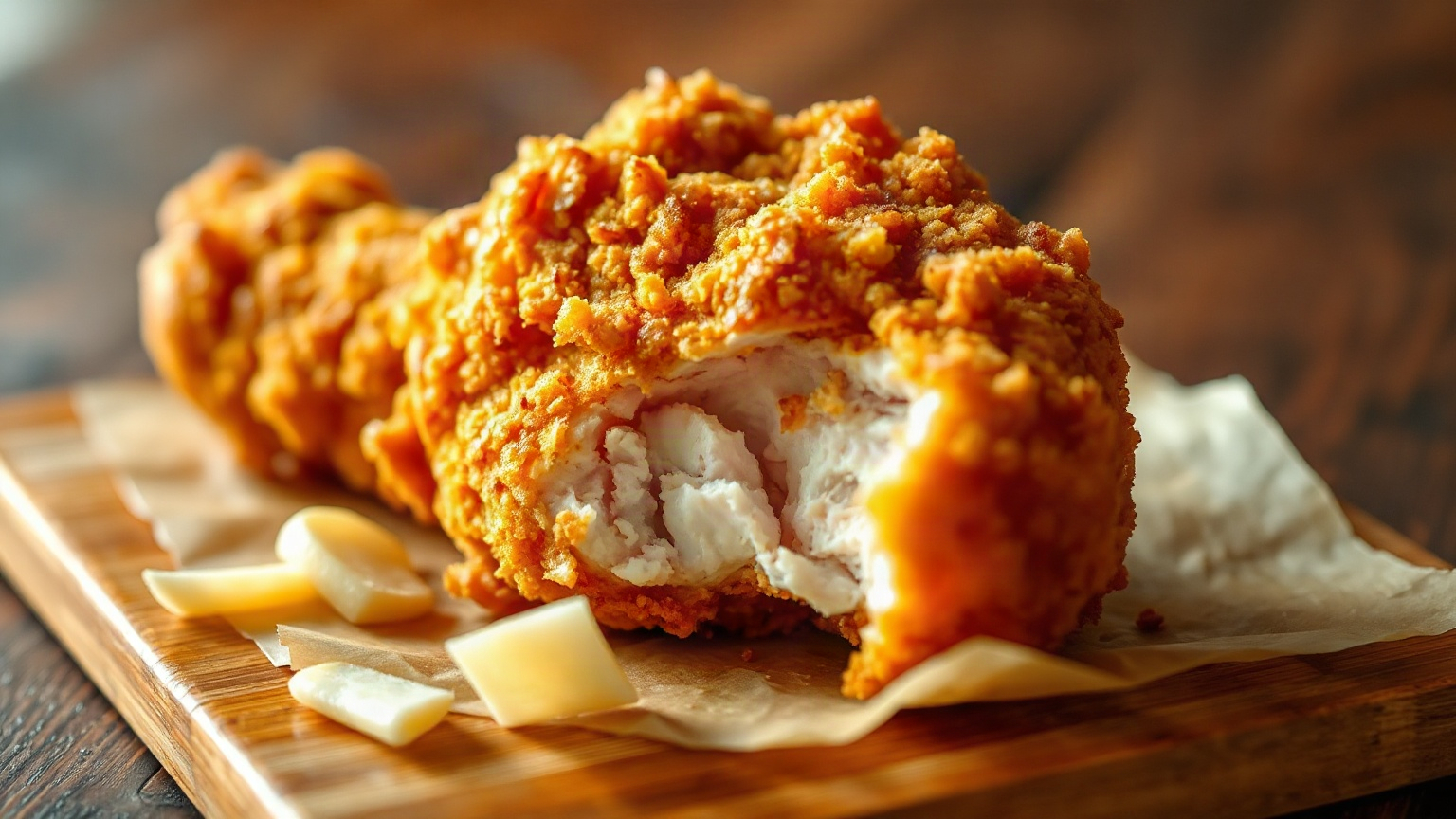
I’ve tried reheating fried chicken basically every way possible. Oven, skillet, microwave, even just eating it cold over the sink at midnight (genuinely not bad, but that’s beside the point). The air fryer wins, and it’s not close.
Here’s why: a microwave heats with moisture. That’s fine for soup, disastrous for a crunchy coating. The steam it creates from inside the chicken turns that crispy crust into something vaguely rubbery and sad. A conventional oven works better, but it’s slow to preheat and you need a wire rack to get airflow under the pieces — without it, the bottom just steams on the pan. The air fryer does both things automatically. Hot, dry, circulating air hits every surface at once. It’s essentially a small convection oven, and that’s exactly what fried chicken wants.
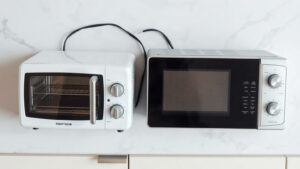
If you’re curious about how these appliances compare more broadly, I wrote about reheating food in a toaster oven — worth a read if you’re ever without an air fryer.
The Exact Method I Use (Step by Step)
No mystery here. This is what I actually do every time.
Step 1: Don’t skip the preheat
Preheat your air fryer to 375°F for about 3 minutes before the chicken goes in. I skipped this the first few times and got uneven results — the bottom of the basket was barely warm when the chicken landed on it, and the crust on the underside never really crisped up. A preheated basket means the crust starts crisping immediately on contact. Small thing, big difference.
Step 2: Pull the chicken out of the fridge early
Give it 10 minutes on the counter. Cold-from-the-fridge chicken takes longer to heat through, which means the outside can overcook by the time the center catches up. Ten minutes at room temperature takes the edge off and gives you a much more consistent result. I know some people are nervous about leaving chicken out, but 10 minutes is well within safe territory.
Step 3: Single layer, basket not overcrowded
I mean it. One layer. If pieces are touching or stacked, the air can’t circulate and you end up with steamed spots and soggy patches. If you’ve got a lot of chicken, do it in two batches. Yes, it takes longer. It’s worth it. For a family-sized batch, a larger-basket air fryer helps — something like the 6-quart basket air fryer gives you more room to work with without crowding.
Step 4: 375°F for 8–10 minutes, flip at 4–5
Set the timer for 8 minutes if the pieces are smaller (wings, drumettes) or if the chicken’s had a few minutes to warm up. Go to 10 minutes for large thighs or bone-in breasts straight from cold. Flip at the halfway point using tongs. The flip matters — the top side crisps up beautifully from the top heating element, but the bottom needs that direct basket contact time on both sides to match it.
Step 5: Check the internal temperature
165°F is the USDA-recommended internal temperature for reheated poultry. I use an instant-read thermometer stuck into the thickest part, away from the bone. If it reads 165°F, you’re done. If not, go another 2 minutes. Don’t guess on this one.
Timing by Piece Type: A Quick Reference
Not all fried chicken is the same size or shape, and the timing varies more than most guides admit. Here’s what I’ve landed on after a frankly unreasonable number of test batches.
| Piece Type | Temperature | Time (from fridge) | Flip? |
|---|---|---|---|
| Wings / drumettes | 375°F | 6–8 minutes | Yes, at 3–4 min |
| Drumsticks | 375°F | 8–10 minutes | Yes, at 4–5 min |
| Bone-in thighs | 375°F | 10–12 minutes | Yes, at 5–6 min |
| Boneless breast strips | 375°F | 5–7 minutes | Yes, at 3 min |
| Large bone-in breast | 375°F | 12–14 minutes | Yes, at 6–7 min |
Boneless strips dry out the fastest, so watch those closely. I pulled a batch of chicken tenders at 8 minutes once and they were chalky. Lesson learned: smaller pieces cook faster than you think.
Edge Cases and Tricky Situations
Most guides stop at the basic method. But there are a few situations where things get more complicated, and I want to cover them because I’ve run into all of them.
Reheating fast food fried chicken (KFC, Popeyes, etc.)
Fast food chicken usually has a thinner, crispier coating than homemade — and it re-crisps beautifully at 375°F. The catch is that fast food fried chicken tends to be saltier and sometimes greasier, so it can smoke in the air fryer if the basket has leftover grease in it. Clean the basket first. KFC’s Original Recipe in particular has a thicker skin that can go rubbery if reheated at too low a temperature, so don’t drop below 375°F thinking you’re being gentler. You’re not. Go hotter, not lower, for better crust.
Frozen fried chicken (not fully thawed)
This is the edge case almost no one talks about. If your leftover fried chicken has been in the freezer — say you batch-cooked and froze some — the process is different. Don’t try to air fry it straight from frozen unless it’s a thin piece like a strip. For bone-in pieces, thaw overnight in the fridge first, then follow the standard method. Trying to blast frozen bone-in chicken at 375°F leads to an overcooked exterior and a cold center. It’s a bad time.
Extra-thick, heavily breaded chicken
Think buttermilk-brined double-dipped homemade fried chicken. The kind with a thick, uneven crust. This can fool you because the outside looks golden and done before the inside is heated through. For pieces like this, I’ll sometimes go down to 360°F and stretch the time to 12–14 minutes. Lower and slower, more like a mini convection oven approach. A toaster oven air fryer combo actually shines here because you get a bigger cavity and can position the chicken further from the heating element.
What if the crust still isn’t crispy enough?
Give it 2 more minutes at 400°F. That short blast at higher heat is usually enough to push the crust over the edge. I’d rather add time than crank the heat for the whole session and dry out the interior. And honestly, if the original crust was wet or soggy before you stored it (like if it sat in a takeout container that trapped steam), no amount of air frying will fully rescue it. You can get close, but moisture-damaged coatings are tough.
What to Do If You Only Have a Toaster Oven
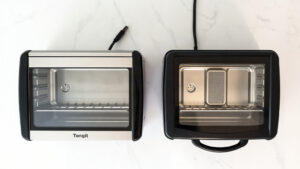
No air fryer? A toaster oven on its convection setting is a solid backup. Preheat to 400°F, set the chicken on a toaster oven wire rack so air gets underneath, and go for 12–15 minutes. The rack is the critical part — without it, the bottom sits in its own rendered fat and steams instead of crisps. Check out our guide to the best mini toaster ovens if you’re shopping for something that can handle this job regularly. Some of the compact convection models genuinely rival a dedicated air fryer for reheating purposes.
Serious Eats has a good breakdown of the science behind reheating fried chicken if you want to get into why convection beats conventional heat for this task. Short version: moisture management.
Final Thoughts
Reheating fried chicken isn’t complicated, but it does require a little more attention than most people give it. The air fryer is genuinely the best tool for the job. 375°F, single layer, flip once, 8–10 minutes — that’s really the whole thing. The extras (preheating, letting it warm up, checking the internal temp) just make a good result into a reliable one.
My personal take: thighs and drumsticks reheat better than breasts every time. If you’re ordering fried chicken and you know there’ll be leftovers, plan accordingly. And if someone tells you to microwave it? Don’t.
Frequently Asked Questions
How long to reheat fried chicken in an air fryer at 375°F?
Most pieces take 8–10 minutes at 375°F, flipping once at the 4–5 minute mark. Wings and thin strips need closer to 6–8 minutes; large bone-in thighs or breasts may need 10–12 minutes. Always check that the internal temperature has reached 165°F before eating.
Can you reheat fried chicken in an air fryer without it drying out?
Yes — the key is not overcooking it. Pull the chicken from the fridge 10 minutes before reheating so it’s not ice cold, and don’t exceed the recommended time for your piece size. Bone-in pieces are more forgiving than boneless because the bone helps retain moisture during reheating.
Should I add oil when reheating fried chicken in an air fryer?
No, you don’t need to add oil. Fried chicken already has enough fat in and on the coating, and adding more will just make it greasy and can cause extra smoke in the basket. The dry circulating heat is what re-crisps the crust, not additional oil.
Can I reheat fried chicken from frozen in an air fryer?
Thin pieces like chicken strips or nuggets can go from frozen at 375°F for about 10–12 minutes. Bone-in pieces should be thawed in the fridge overnight first — cooking them from frozen leads to overcooked coating and an underheated center, which is both unpleasant and unsafe. Thaw first, then follow the standard reheat method.
What temperature should reheated fried chicken reach internally?
Reheated poultry should reach an internal temperature of 165°F, as recommended by the USDA. Use an instant-read thermometer inserted into the thickest part of the meat, away from any bone. If it hasn’t hit 165°F, give it another 2 minutes and check again.

Written by
Emma founded Toastera to turn vague appliance advice into clear, researched, safety-first guidance on toasters and toaster ovens.
Free: the Toaster Oven Cheat Sheet
Get the printable cheat sheet (temps, cook times & safety tips) plus new recipes. No spam, unsubscribe anytime.