To reheat pasta in a toaster oven without drying it out, set the temperature to 325°F, add a splash of water or extra sauce to the pasta before covering it tightly with foil, and heat for 10–15 minutes. The foil traps steam and keeps moisture locked in, so the noodles stay tender instead of turning into a chewy, clumped-up mess. This works for almost any sauced pasta — from fettuccine alfredo to penne arrabbiata — and beats the microwave for texture every single time.
Safety First: Toaster ovens run hot and the interior walls, rack, and baking dish will be scorching after preheating. Always use dry oven mitts (not a damp towel — steam burns are fast and nasty) when removing dishes. Keep the foil tight on the dish and vent it away from you when you peel it back, since the steam that escapes is genuinely hot enough to burn your hand.
Quick Takeaways Before You Preheat
- 325°F is the sweet spot — high enough to heat through, low enough not to scorch the edges of the dish.
- Always add liquid (1–2 tablespoons of water, broth, or extra sauce) before covering with foil. No exceptions.
- Cover tightly with foil for the first 10 minutes, then uncover for 2–3 minutes only if you want a slightly caramelized top — skip this step for cream sauces.
- Pasta in a shallow, wide dish reheats faster and more evenly than pasta crammed into a deep container.
- Stuffed pastas (lasagna, stuffed shells) need 5–8 more minutes than regular sauced pasta and benefit from a bit more liquid.
I’ll be honest — the first time I tried reheating restaurant pasta in my toaster oven, I did it completely wrong. No foil, 375°F, and I walked away for 20 minutes. What came back was a dry, slightly crunchy pasta bake that tasted nothing like the beautiful linguine alle vongole I’d paid good money for the night before. So, everything below is basically what I figured out after making that mistake (and a few more after it).
Why the Toaster Oven Is Actually Great for This (When You Do It Right)
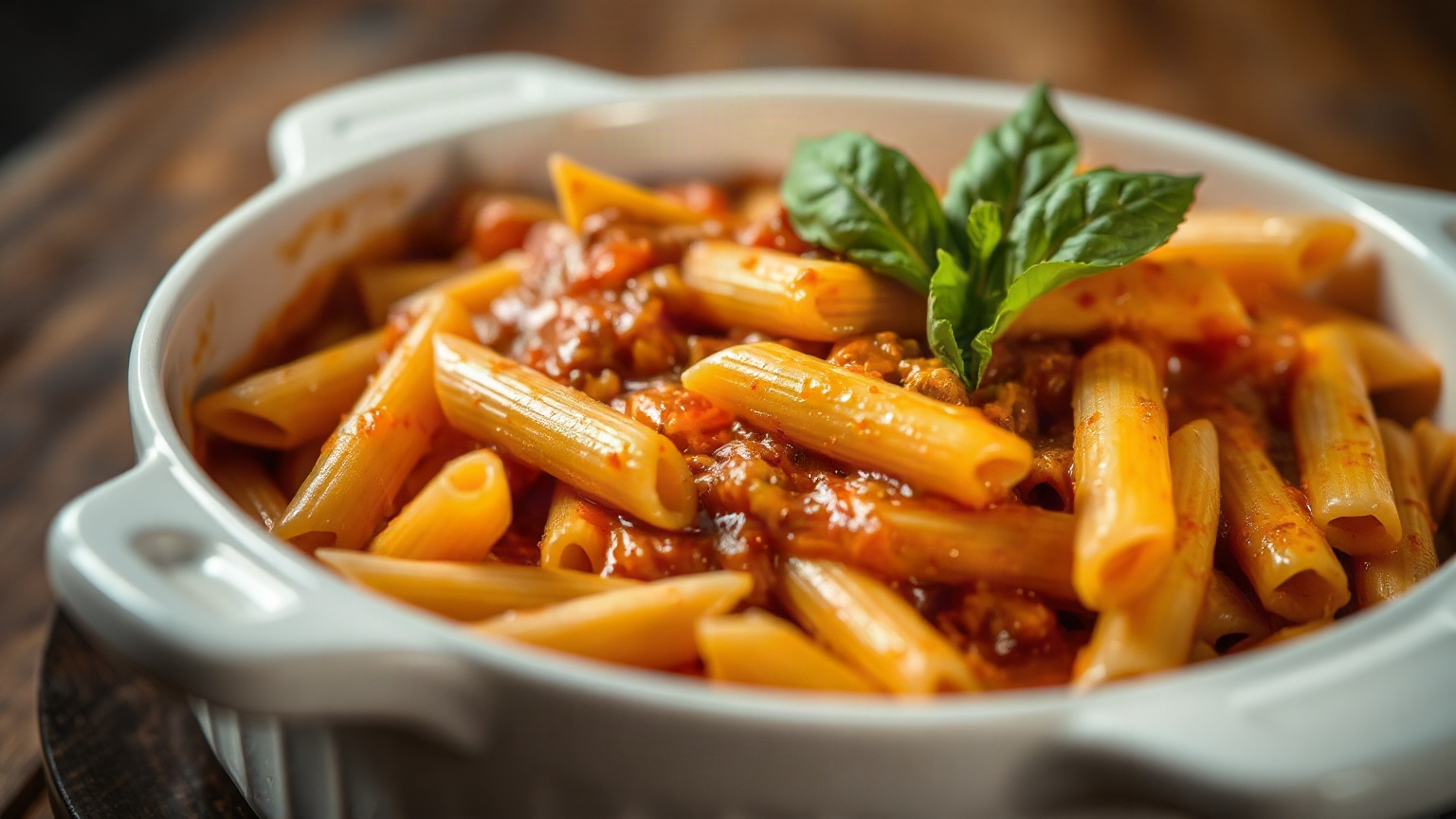
Microwaves reheat fast but unevenly — you get hot spots, rubbery noodles, and separated sauce. A full-size oven works, but it takes forever to preheat for one portion of leftovers. The toaster oven sits in a useful middle ground. It preheats quickly (usually 5–8 minutes), gives you actual control over temperature, and the smaller cavity means heat circulates around the food more efficiently than in a big oven.
The catch — and this is what most people miss — is that the smaller cavity also means moisture escapes faster. Without the foil cover and added liquid, your pasta will dry out even faster in a toaster oven than in a regular one. So the technique matters more here, not less.
For more general guidance on reheating food in a toaster oven, I’ve covered a bunch of different dishes over there. Pasta has its own quirks, though, so let’s get specific.
Step-by-Step: How to Reheat Pasta in a Toaster Oven
Step 1 — Get the pasta into the right container
Transfer the pasta from whatever takeout container it’s in (please don’t put that in the toaster oven) into an oven-safe dish. Ceramic or glass works fine. I like a shallow casserole dish or a small toaster oven baking pan — the kind with low sides lets heat get around the pasta rather than the noodles just steaming themselves at the bottom of a deep bowl. Spread the pasta out in a relatively even layer rather than leaving it in a tight ball.
Step 2 — Add liquid. More than you think
This is the actual secret. Add 1–2 tablespoons of water directly to the pasta. If you have extra sauce, use that instead — it’ll be better. For cream-based sauces like alfredo, a small splash of cream or even just water works. For tomato-based sauces, a spoonful of crushed tomatoes or marinara keeps things cohesive. The pasta will absorb some of this liquid as it heats, which replaces what it lost sitting in the fridge overnight. Without it, you’re just heating dry pasta in a hot box.
Step 3 — Cover tightly with foil
Crimp the foil right down to the edges of the dish. Any gap lets steam escape and you’re back to dried-out pasta. Some people skip this step thinking the lid or plastic wrap will work — plastic wrap melts, and those snap-on dish lids aren’t oven-safe. Foil is the move. I keep a box of heavy-duty foil specifically for oven use because the standard stuff tears too easily when you’re trying to get a tight seal on a ceramic dish.
Step 4 — Preheat to 325°F and heat for 10–15 minutes
Preheat your toaster oven — don’t skip this. Putting cold pasta into a cold oven and heating them together leads to uneven results. Once it’s up to temperature, put the foil-covered dish on the rack (centered, if possible) and set a timer for 10 minutes. After 10 minutes, check the pasta by carefully lifting a corner of the foil. It should be steaming and hot all the way through. If not, go another 3–5 minutes. Thicker pasta or larger portions can take up to 20 minutes total.
Step 5 — Optional: uncover for a few minutes at the end
For tomato-based pasta or anything with a chunky sauce, I sometimes pull the foil off for the last 2–3 minutes at 325°F. This lets the top get slightly concentrated and a little deeper in flavor. For alfredo, carbonara, or any cream sauce? Don’t bother — the cream will break and you’ll end up with a greasy, grainy mess on top. Just leave the foil on the whole time.
Reheating Different Types of Pasta: What Changes
Not all pasta reheats exactly the same way. Here’s how I adjust based on what I’ve got.
| Pasta Type | Temperature | Time (covered) | Extra Liquid? | Uncover at End? |
|---|---|---|---|---|
| Tomato / marinara sauce | 325°F | 10–12 min | 1 tbsp water or sauce | Optional (2–3 min) |
| Cream sauce (alfredo, etc.) | 325°F | 12–15 min | 1 tbsp cream or water | No |
| Lasagna / stuffed shells | 325°F | 18–22 min | 2 tbsp water or sauce | Optional (3–4 min) |
| Pasta with meat sauce | 325°F | 12–15 min | 1–2 tbsp water | Optional (2 min) |
| Pasta salad (cold) | Don’t heat | — | Toss with fresh dressing | — |
Lasagna is an edge case a lot of guides skip. It’s thick and dense, and the cheese layer on top can go from perfect to rubbery very fast. My approach: 325°F covered for 20 minutes, then — only if there’s cheese on top — crank it to 375°F uncovered for about 3 minutes at the very end to get the cheese bubbly again without burning the edges. Watch it closely during those last few minutes.
What I’d Use: Gear That Makes This Easier
You don’t need much. A shallow oven-safe dish, foil, and a toaster oven. That said, a toaster oven wire rack with a pan underneath is genuinely useful if you’re reheating something that might bubble over — the rack keeps the dish elevated for better airflow, and the pan catches any drips so you’re not scrubbing burned sauce off the bottom of your oven at midnight.
If you’re shopping for a new toaster oven and want to know which ones are actually worth the counter space, I’ve put together a list of the best mini toaster ovens that covers everything from budget picks to the ones with convection fans that make reheating even more even.
One thing worth mentioning: convection mode, if your toaster oven has it, can speed up reheating — but I’d still keep the foil on. Convection moves air around faster, which also means it dries things out faster. So convection + foil is fine. Convection without foil on pasta is a quick way to ruin your lunch.
Common Mistakes (And the Specific One I Made)
Going too hot is the most common one. I see people setting toaster ovens to 400°F or higher because they want it done faster. What actually happens: the edges of the dish get hot first, the sauce starts sizzling and reducing, and by the time the center is warm the outer pasta is already overcooked and stuck to the dish. Slower at 325°F is genuinely faster in the end because you don’t have to deal with the aftermath.
Not letting the pasta come partway to room temperature is another one. I try to let it sit out of the fridge for about 10 minutes before it goes into the toaster oven. It’s a small thing, but it shortens the reheating time and helps everything heat through more evenly — especially for dense pasta like baked ziti, where the center can stay cold even after the top is steaming.
And honestly? Don’t forget the foil. That one’s the whole ballgame. Serious Eats has written about how pasta reheats at a molecular level and the short version is that the starch in the noodles needs moisture to stay soft — once that moisture bakes off, you can’t get it back.
The Verdict
Reheating pasta in a toaster oven is genuinely one of the better uses for the appliance — better than the microwave for texture, faster than a full oven for convenience. The whole thing comes down to three things: low temperature (325°F), added liquid, and foil. Get those right and your leftover pasta will taste close to how it did the first time. Not identical — that’s just the reality of reheated pasta — but close enough that you’ll actually want to eat it.
The technique scales up, too. I’ve reheated single portions in a small ramekin covered with a square of foil, and I’ve done a full 9×13 pan of lasagna for a crowd. Same principles, just more time for the bigger one. Once you’ve done it a couple of times, it becomes automatic.
Frequently Asked Questions
Can you reheat pasta in a toaster oven without foil?
You can, but it’ll dry out significantly — especially if the pasta has a cream or light oil-based sauce. If you don’t have foil, use an oven-safe dish with a tight-fitting lid, or add extra liquid and check the pasta every 5 minutes. Foil is by far the easiest and most reliable option, so I’d keep a roll on hand.
What temperature should I reheat pasta in a toaster oven?
325°F is the right temperature for reheating pasta in a toaster oven. It’s hot enough to warm the pasta through in 10–15 minutes without scorching the edges or drying out the sauce. Avoid anything above 375°F for pasta — higher temperatures evaporate moisture too fast and can burn the sauce before the noodles are even warm.
How long does it take to reheat pasta in a toaster oven?
At 325°F with foil and added liquid, most single-serving portions of sauced pasta take 10–15 minutes. Thicker, denser pasta dishes like lasagna or stuffed shells need 18–22 minutes. Letting the pasta sit out of the fridge for 10 minutes before heating cuts the time slightly and helps it heat more evenly.
How do you reheat pasta without it getting clumpy?
Add 1–2 tablespoons of water or extra sauce before reheating, and toss the pasta to coat it before it goes in the oven. Pasta clumps when the starch on the noodle surface dries out and the noodles stick together. The added moisture — and the steam created by the foil cover — keeps the noodles separate and coated in sauce as they heat.
Can you reheat pasta in a toaster oven the next day?
Yes, pasta stored properly in the fridge for up to 3–4 days reheats well in a toaster oven. The USDA recommends reheating leftovers to an internal temperature of 165°F, and 10–15 minutes at 325°F in a covered dish will get you there. After 4 days in the fridge, it’s safer to toss it regardless of how it looks or smells.

Written by
Emma founded Toastera to turn vague appliance advice into clear, researched, safety-first guidance on toasters and toaster ovens.
Free: the Toaster Oven Cheat Sheet
Get the printable cheat sheet (temps, cook times & safety tips) plus new recipes. No spam, unsubscribe anytime.