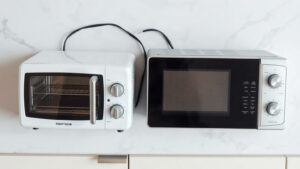
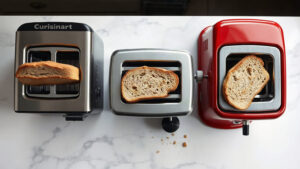
Stainless steel toaster ovens are genuinely worth the extra cost for most buyers — but not for the reason most people assume. The durability and heat tolerance of stainless steel outperform plastic housings over years of regular use, and the material doesn’t off-gas at high temperatures the way some plastic exteriors can. That said, if you’re only making toast twice a week, the price premium probably won’t pay for itself.
Safety First: Toaster ovens reach internal temperatures of 450°F or higher and their exteriors — whether stainless steel or plastic — can get dangerously hot during and after use. Never place a toaster oven directly against a wall, cabinet, or other surfaces. Always use oven mitts when removing food or accessories, and keep children away from the appliance while it’s running. Unplug the unit before cleaning. If you notice a burning plastic smell from any toaster oven (new or old), discontinue use and inspect for damage before continuing.
Key Takeaways
- Stainless steel toaster ovens typically cost $30–$100 more than comparable plastic models, but tend to last significantly longer under daily use.
- High-quality stainless steel (look for 304-grade) won’t off-gas or discolor at cooking temperatures — cheap chrome-plated or galvanized versions can.
- Plastic housing can warp, crack, and yellow over time, especially near the vents where heat escapes.
- For heavy daily users (think reheating lunch, baking small batches, air frying), stainless steel pays off. For occasional toast-only use, a good plastic unit is fine.
- The interior material matters just as much as the exterior — look for stainless steel or non-toxic ceramic interiors, not bare plastic-coated cavities.
What You’re Actually Paying For
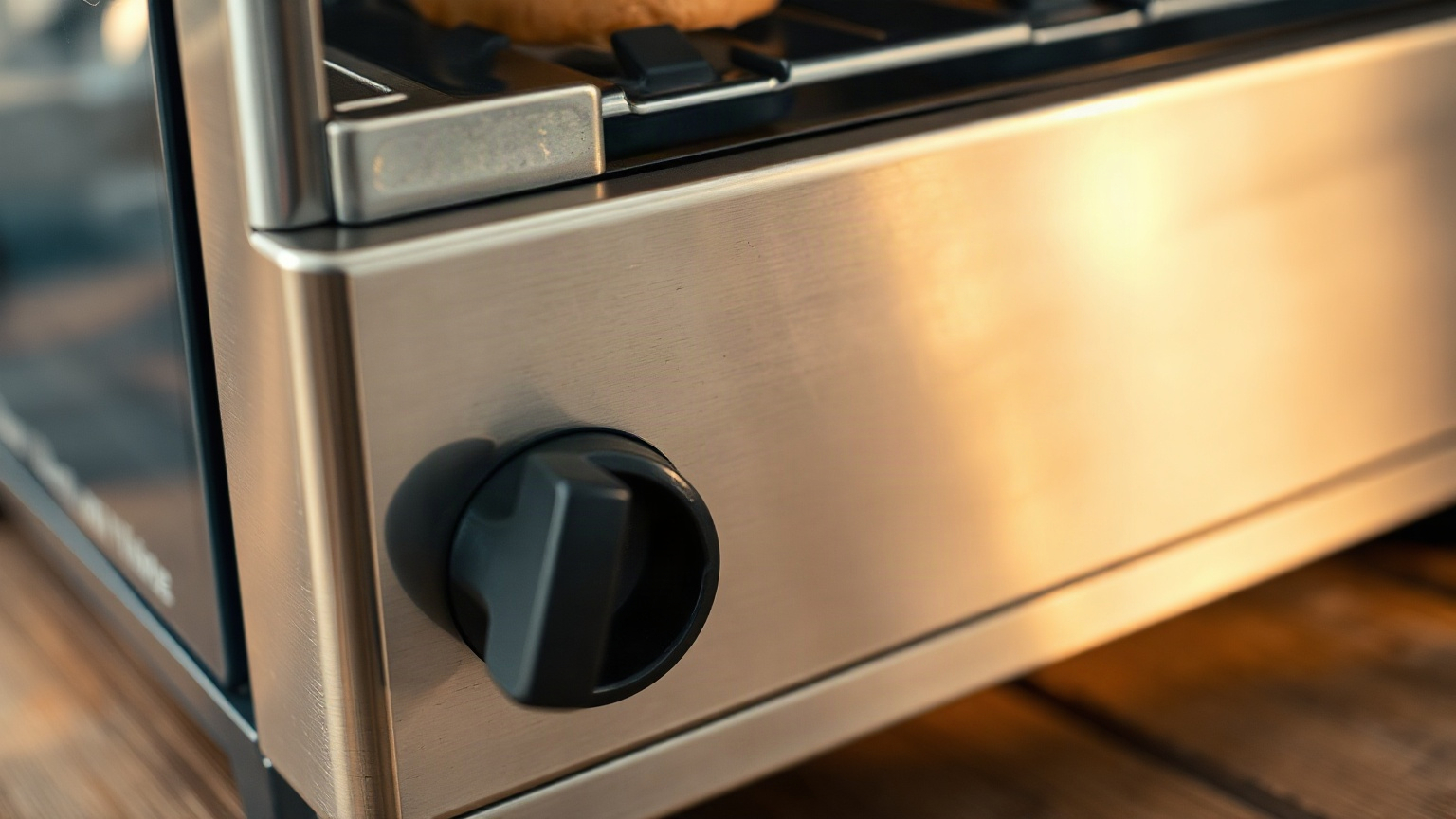
Let me be honest about something I didn’t fully appreciate when I bought my first toaster oven years ago: the sticker price difference between stainless and plastic isn’t just about how the thing looks on your counter. There’s real engineering behind it.
A plastic housing has to be kept far enough from the heating elements that it doesn’t warp, melt, or release fumes. That design constraint limits how compact the unit can be and sometimes affects how efficiently it heats. Stainless steel handles high ambient temperatures without issue. It also dissipates heat more evenly across the surface of the oven, which genuinely matters for consistent cooking.
That said, “stainless steel” on a box doesn’t tell you much on its own. I’ve handled budget units with thin, rattly stainless panels that felt worse than a solid plastic rival. Grade 304 stainless is what you want — it’s the same stuff used in decent cookware, resistant to rust and corrosion. Galvanized steel or chrome-plated surfaces can degrade over time and, at high temps, potentially release trace compounds you don’t want near food. So don’t just buy stainless because it says stainless. Check what kind.
Stainless Steel vs. Plastic: Side-by-Side
Here’s how the two materials actually stack up across the factors that matter in day-to-day use.
| Factor | Stainless Steel | Plastic |
|---|---|---|
| Durability | High — resists warping, cracking, yellowing | Moderate — can yellow and warp near vents over time |
| Off-gassing risk | Low (if 304-grade, non-coated) | Higher, especially on cheap models at high temps |
| Heat distribution | More even across the exterior | Varies; design limitations can create hot spots |
| Ease of cleaning | Wipes clean, but shows fingerprints | Easier to keep looking clean day-to-day |
| Aesthetic longevity | Stays looking good for years | Often yellows and scratches within 1–2 years |
| Price range | Mid-range to premium ($80–$350+) | Budget to mid-range ($25–$120) |
| Weight | Heavier (can feel more substantial) | Lighter (easier to move) |
The cleaning thing trips a lot of people up, by the way. Stainless steel shows every fingerprint and grease smear. If that sort of thing bothers you, budget an extra two minutes of wiping per week — or buy a stainless steel appliance cleaner and keep it nearby. Honestly I find it less annoying than the yellowed plastic on my old budget unit, which looked dingy no matter how much I cleaned it.
Real Model Comparisons: Which Ones Are Actually Worth It?
Abstract comparisons only go so far. Here are some real units, what they’re made of, and my honest take on who they’re for.
Breville Smart Oven Air Fryer Pro — Premium Stainless
This is the benchmark. Brushed stainless exterior, solid build quality, and a 13-function control panel that actually works as advertised. It runs hot and accurate — I’ve used it at 375°F convection for roasting vegetables and the results are consistent in a way my old plastic unit never matched. It’s expensive. But if you cook in it daily, the per-year cost amortizes well over a 5–7 year lifespan. Check the Breville Smart Oven Air Fryer Pro on Amazon. Not for someone who mainly wants toast.
Cuisinart TOA-70 — Mid-Range Stainless
A solid mid-range option. Stainless exterior, air fry capability, and a large enough interior for a 12-inch pizza. I’ve had one for about two years and the finish still looks good. Fingerprints, yes. Warping or discoloration, no. It heats to 450°F reliably, which matters for things like broiling or getting a decent crust on reheated food. If you want a real stainless oven without the Breville price, this is the one I’d point most people toward. For more options in this size range, check out our best mini toaster ovens roundup.
Hamilton Beach 31107D — Budget Plastic
Fine for what it is. Plastic housing, basic functions, and a price that’s genuinely hard to argue with if you’re just reheating leftovers a few times a week. After about 18 months of use, the plastic near the top vent started showing heat discoloration. Nothing dangerous, just not pretty. If budget is the constraint and you’re a light user, this works. Just don’t expect it to look new in year two.
Ninja Foodi XL Pro — Stainless-Adjacent
The Ninja is an interesting case because it uses a mix of materials — stainless panels with plastic controls and trim. It performs very well and the cooking functions are genuinely impressive. But it’s not fully stainless, and that matters if off-gassing is your primary concern. Great unit, slightly overhyped on the “stainless” branding. Worth buying for cooking performance; just know what you’re getting.
| Model | Housing Material | Price Tier | Best For | Capacity |
|---|---|---|---|---|
| Breville Smart Oven Air Fryer Pro | Full brushed stainless | Premium | Daily heavy users, bakers | Large (13″ pizza) |
| Cuisinart TOA-70 | Stainless | Mid-range | Most households | Large (12″ pizza) |
| Hamilton Beach 31107D | Plastic | Budget | Light/occasional use | Medium (6-slice) |
| Ninja Foodi XL Pro | Mixed (stainless + plastic) | Mid to premium | Air fry enthusiasts | Extra-large |
The Off-Gassing Question (And Why It’s Not Entirely Hype)
This is the topic that tends to get either dismissed or catastrophized online, so let me give you my actual take.
Cheap plastic components — especially interior plastic parts or low-grade exterior panels on budget toaster ovens — can release volatile organic compounds (VOCs) when heated repeatedly. It’s most noticeable when an oven is brand new (that “new appliance smell” on first use). But with low-quality plastics, it doesn’t always stop after the break-in period. According to research on indoor air quality, VOC exposure from cooking appliances is a real, if often low-level, concern in poorly ventilated kitchens.
High-quality stainless steel — again, 304-grade, non-coated — doesn’t have this problem at normal cooking temperatures. It’s inert. That’s worth something, particularly if you’re cooking in a small kitchen without great ventilation, or if you have kids or anyone with respiratory sensitivities at home.
One edge case the other comparison articles miss: the interior matters as much as the exterior. Some “stainless” toaster ovens have plastic-coated or non-stick interiors that can degrade and off-gas even if the outside is fine. When evaluating any unit, check what the interior walls are made of. Bare stainless or ceramic-coated interiors are preferable to non-stick coatings, especially if you’re running the oven at 400°F or above regularly. You can read more about reheating food in a toaster oven safely here.
Who Should Buy Stainless, and Who Shouldn’t Bother
Buy stainless if: you use your toaster oven daily, you cook at high temperatures (broiling, air frying, baking), you care about off-gassing or non-toxic kitchen gear, or you plan to keep the appliance for more than three years. The math works out. A $150 stainless unit that lasts six years beats a $60 plastic one you replace every two.
Skip the stainless premium if: you genuinely only use it for toast and the occasional frozen pizza. Or if counter space is tight and you need a very compact unit — sometimes the best small units happen to be plastic, and that’s fine. See our picks for best mini toaster ovens if size is your main constraint.
One more thing nobody says out loud: stainless ovens look better longer. If your kitchen aesthetic matters to you at all, the plastic ones age badly. That’s a superficial reason, but it’s real.
For what it’s worth, Serious Eats’ toaster oven buying guide makes a similar point about build quality being a better investment signal than raw wattage numbers — worth a read if you want a second opinion from people who test equipment obsessively.
My Actual Recommendation
For most buyers reading this, the Cuisinart TOA-70 is the right answer. It’s genuinely stainless (not mixed materials, not chrome-plated), it handles everything from toast to air frying to roasting a small chicken, and it’s priced at a point where the value is obvious. Find the Cuisinart TOA-70 on Amazon.
If budget is real and not negotiable, the Hamilton Beach plastic units are competent. Just know you’re making a tradeoff on longevity and potentially on off-gassing.
And if you’re a serious home cook who uses a toaster oven the way some people use a full oven, just get the Breville. You’ll stop second-guessing it within a week.
Don’t forget to pick up a good stainless steel toaster oven baking pan regardless of which unit you buy — the included pans are almost always the weakest part of the package.
Frequently Asked Questions
Is stainless steel safer than plastic in a toaster oven?
High-quality stainless steel (304-grade, non-coated) is generally safer because it doesn’t off-gas at cooking temperatures the way some plastics can. That said, the interior material matters just as much as the exterior — a stainless shell with a plastic-coated interior doesn’t fully solve the concern. If off-gassing is your main worry, check both the inside and outside materials before buying.
How long does a stainless steel toaster oven last compared to plastic?
A well-built stainless steel toaster oven typically lasts 5–8 years with regular use. Plastic models, especially budget ones, often show visible wear (yellowing, warping near vents) within 1–2 years, and may need replacing by year 3–4. The lifespan difference is one of the strongest arguments for spending more upfront.
Do stainless steel toaster ovens cook better than plastic ones?
The housing material itself doesn’t directly determine cooking performance — the heating elements, wattage, and convection system do most of that work. However, stainless steel models tend to be in the mid-to-premium tier where better engineering is standard, so there’s a correlation. A well-designed plastic unit can outperform a cheaply built stainless one.
What’s the best stainless steel toaster oven for the money?
The Cuisinart TOA-70 hits the best balance of genuine stainless construction, cooking versatility, and price for most households. The Breville Smart Oven Air Fryer Pro is the top performer overall but costs significantly more and is best for heavy daily users who cook seriously. Both are worth the price over comparable plastic models.
Can a plastic toaster oven melt or catch fire?
A properly functioning plastic toaster oven won’t melt under normal use because the housing is kept away from direct heat elements by design. That said, plastic housings can discolor and warp over time near vent areas, and if airflow is blocked (by placing it too close to a wall or cabinet), heat buildup can become a problem. Always maintain at least 4–6 inches of clearance on all sides and never cover the vents.

Written by
Emma founded Toastera to turn vague appliance advice into clear, researched, safety-first guidance on toasters and toaster ovens.
Free: the Toaster Oven Cheat Sheet
Get the printable cheat sheet (temps, cook times & safety tips) plus new recipes. No spam, unsubscribe anytime.